English
 русский
 Español
 Deutsch
To check a vehicle coolant pipe for leaks, inspect the system when the engine is cold, look for visible cracks, wet spots, or white residue along hose connections, and use a pressure tester to confirm hidden leaks. Catching a leak early prevents overheating, engine damage, and costly repairs — a coolant leak left unaddressed can cause engine failure within minutes of running dry.
Content
- 1 Why Coolant Pipe Leaks Are a Serious Problem
- 2 Tools You Need Before You Start
- 3 Step-by-Step: How to Check Coolant Pipes for Leaks
- 3.1 Step 1 — Wait for the Engine to Cool Completely
- 3.2 Step 2 — Check the Coolant Reservoir Level
- 3.3 Step 3 — Visually Inspect All Coolant Hoses and Pipes
- 3.4 Step 4 — Squeeze-Test Rubber Hoses
- 3.5 Step 5 — Check Hose Clamps for Tightness
- 3.6 Step 6 — Pressure Test the Cooling System
- 3.7 Step 7 — Use UV Dye for Micro-Leaks
- 4 Warning Signs That Point to a Coolant Pipe Leak
- 5 Where Leaks Most Commonly Occur
- 6 What to Do After Finding a Leak
- 7 How Often Should You Inspect Coolant Pipes?
- 8 Choosing Quality Coolant Pipe Replacements
Why Coolant Pipe Leaks Are a Serious Problem
The coolant system keeps your engine operating within a safe temperature range — typically between 195°F and 220°F (90°C–104°C). When a coolant pipe develops a leak, fluid pressure drops and heat dissipation fails. Studies show that overheating is responsible for over 40% of engine failures in passenger vehicles.
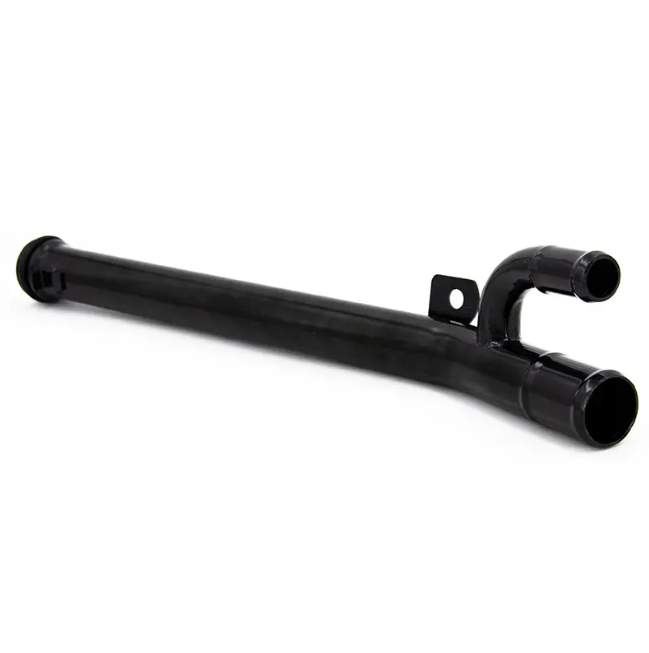
Common causes of coolant pipe leaks include:
- Age-related rubber degradation (most hoses fail after 4–6 years)
- Loose or corroded hose clamps
- Cracks in plastic coolant reservoir or pipe fittings
- High system pressure from a faulty radiator cap
- Physical damage from road debris or improper repairs
Tools You Need Before You Start
Gather the following before inspecting your coolant pipes. Having the right tools reduces inspection time and improves accuracy:
| Tool | Purpose | Estimated Cost |
|---|---|---|
| Cooling system pressure tester | Pressurizes system to reveal hidden leaks | $25–$80 |
| UV dye kit + UV light | Detects micro-leaks invisible to the naked eye | $15–$40 |
| Flashlight / inspection light | Illuminate dark engine bay areas | $5–$20 |
| Clean white rag or paper towel | Wipe pipes to reveal wet coolant spots | Under $5 |
| Nitrile gloves | Protect hands from coolant (ethylene glycol is toxic) | Under $10 |
Step-by-Step: How to Check Coolant Pipes for Leaks
Follow this sequence carefully. Never open the coolant cap or touch pipes when the engine is hot — pressurized coolant can reach over 250°F (121°C) and cause severe burns.
Step 1 — Wait for the Engine to Cool Completely
Allow at least 2 hours after the last drive before beginning inspection. A cold system is safe to handle and shows dried coolant residue more clearly than a hot one.
Step 2 — Check the Coolant Reservoir Level
Locate the translucent plastic coolant reservoir. The level should fall between the MIN and MAX markers. A consistently low level — even without visible drips — is a strong sign of a slow leak somewhere in the system.
Step 3 — Visually Inspect All Coolant Hoses and Pipes
Trace each coolant pipe from the radiator to the engine block and heater core connections. Look for:
- White, crusty deposits — dried coolant residue indicating a past or ongoing leak
- Wet or oily patches along the hose surface
- Swelling, bulging, or soft spots on rubber hoses
- Cracks near clamp ends — the most common leak location
- Rust staining around metal pipe joints
Step 4 — Squeeze-Test Rubber Hoses
Wearing gloves, gently squeeze each rubber hose along its length. A healthy hose feels firm yet slightly flexible. Replace any hose that feels rock-hard (internally cracked), mushy (about to collapse), or that cracks when squeezed.
Step 5 — Check Hose Clamps for Tightness
Use the appropriate screwdriver or socket to check that all clamps are snug. A clamp that has backed off even 1–2mm at a connection can cause a significant seep. Do not over-tighten — this can cut into the hose.
Step 6 — Pressure Test the Cooling System
Attach a cooling system pressure tester to the radiator cap neck. Pump it to the pressure rating printed on your radiator cap — typically 13–18 PSI (90–124 kPa). Hold for 15–20 minutes. If pressure drops noticeably, there is a leak. Walk around the engine bay with your flashlight and look for the source.
Step 7 — Use UV Dye for Micro-Leaks
If the pressure test drops but no leak is visible, add UV dye to the coolant, run the engine briefly, then scan all pipes and connections with a UV light in a darkened area. Even a pinhole leak will glow bright yellow-green, revealing exactly where the problem is.
Warning Signs That Point to a Coolant Pipe Leak
Beyond direct inspection, your vehicle may give you early warning signs before you even open the hood:
- Sweet smell from the engine bay — ethylene glycol coolant has a distinctive sweet odor
- Temperature gauge climbing above normal or warning light activating
- Colored puddles (typically green, orange, or pink) under a parked vehicle
- Fog or steam coming from the hood after driving
- Heater blowing cold air (low coolant starves the heater core)
- Milky, frothy oil on the dipstick — a sign coolant has entered the engine oil
If you notice milky oil, stop driving immediately. This indicates a blown head gasket or cracked block — conditions where continued driving can destroy an engine in under 30 minutes.
Where Leaks Most Commonly Occur
Not all coolant pipe locations are equally prone to failure. Focus your inspection efforts on these high-risk areas:
| Location | Failure Frequency | Key Indicator |
|---|---|---|
| Hose-to-fitting clamp joints | Very High | Crusty white residue at clamp edge |
| Radiator inlet/outlet ports | High | Visible drips from radiator base |
| Water pump housing | High | Wet stain or weep hole drip beneath pump |
| Heater core hoses | Medium | Wet firewall or foggy windshield interior |
| Reservoir cap and neck seal | Medium | Overflow residue around reservoir top |
| Engine block coolant galley plugs | Low (but severe) | Seep directly from block surface |
What to Do After Finding a Leak
Once you've located the leak, your next action depends on its severity:
Minor Seep at a Clamp
Tighten the clamp and recheck with a pressure test. If the seep stops, monitor the reservoir level over the next 3–5 drives. If it recurs, replace the clamp and inspect the hose end for internal splitting.
Cracked or Soft Rubber Hose
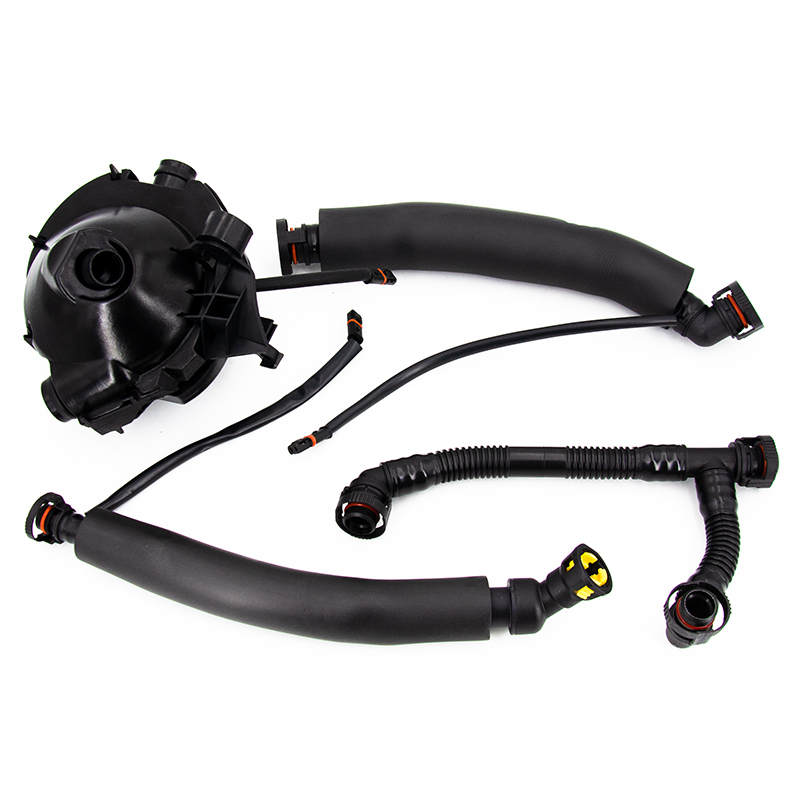
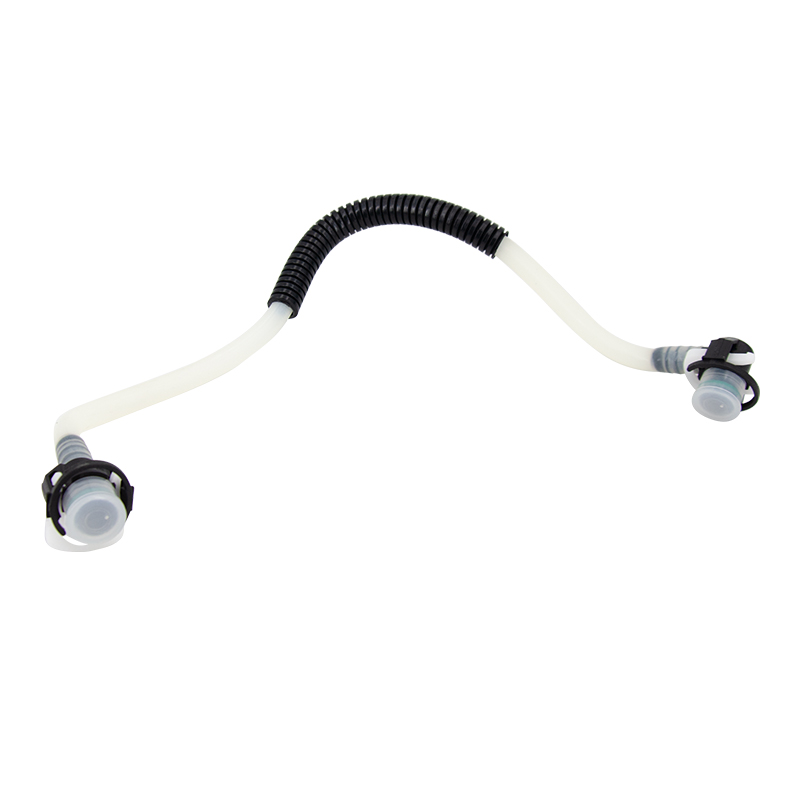
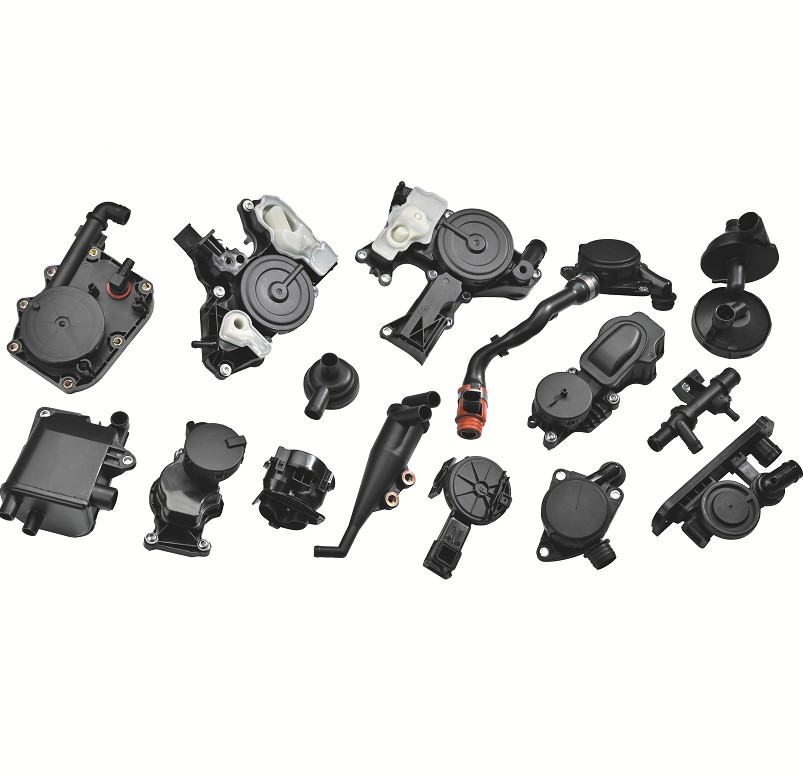
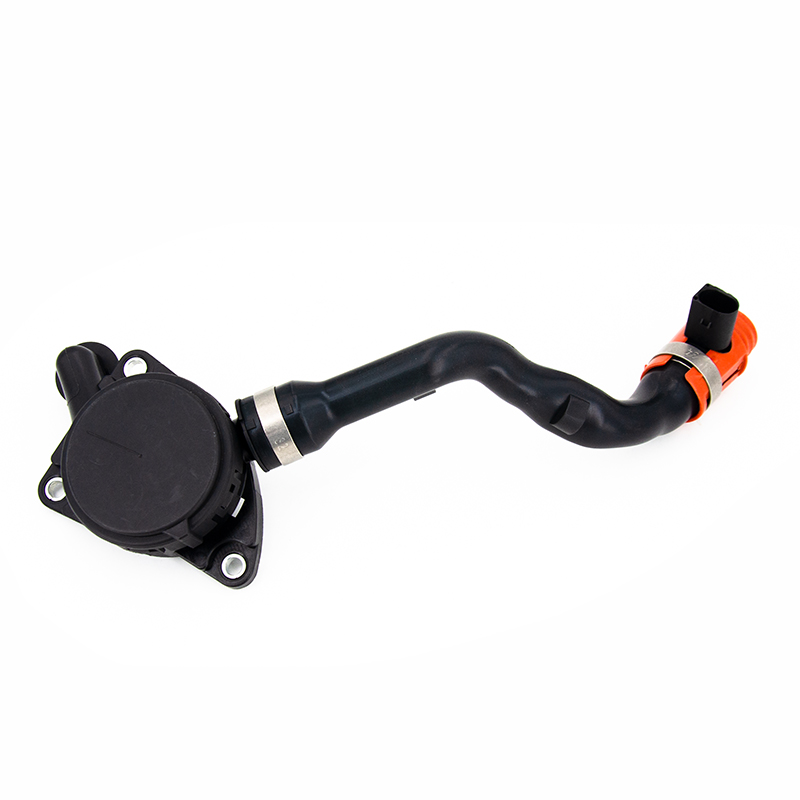
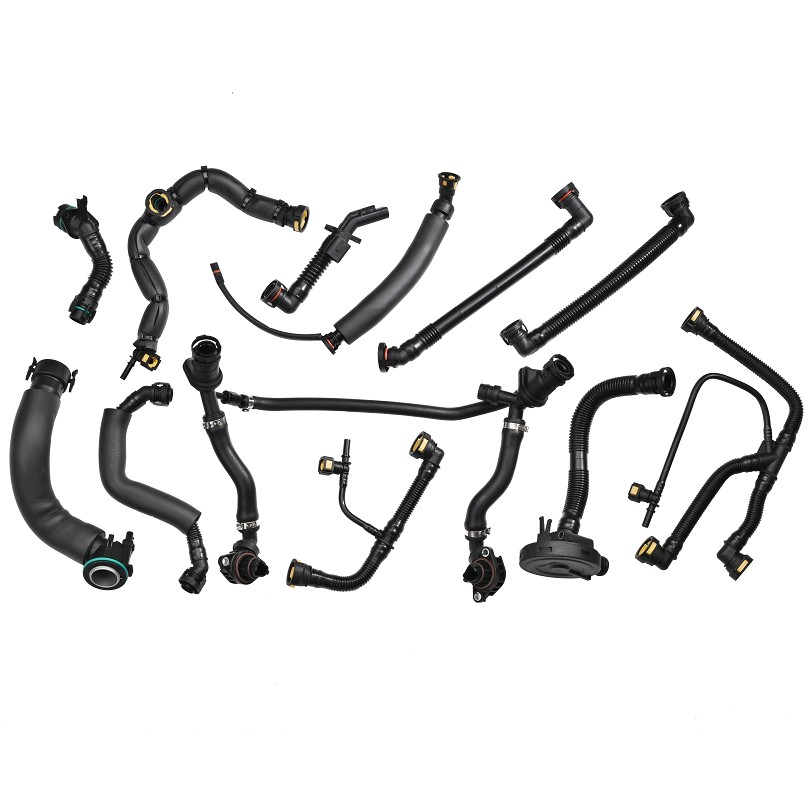
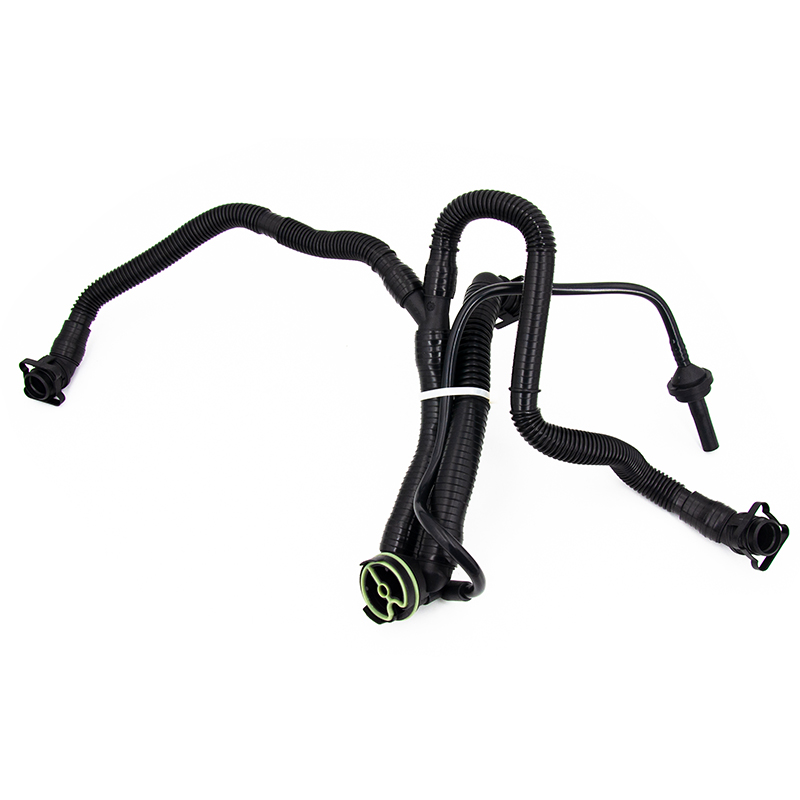
Replace the hose immediately. Ningbo Jiefan manufactures a range of reinforced coolant hoses and pipe assemblies rated for high-pressure and high-temperature applications. When replacing one hose, it is cost-effective to replace all hoses of the same age simultaneously — labor is the biggest cost, not the parts.
Leak from a Metal Pipe or Fitting
Corroded metal coolant pipes should be replaced rather than patched. Ningbo Jiefan's precision-formed aluminum and steel coolant pipes are designed for OEM-level fitment and corrosion resistance. Do not use pipe sealant compounds as a permanent fix — they can clog the heater core and radiator passages.
Leak from Water Pump or Head Gasket
These require professional repair. A water pump replacement averages $300–$750 including labor. A head gasket repair ranges from $1,200 to $2,500 or more depending on vehicle type. Acting quickly on a minor leak prevents escalation to these major repairs.
How Often Should You Inspect Coolant Pipes?
Routine inspection intervals help you catch leaks long before symptoms appear:
- Every 12 months or 15,000 miles (24,000 km) — visual inspection of all hoses and connections
- Every 2 years — full pressure test and coolant flush
- After any overheating event — immediate full inspection before driving again
- Before long trips — quick reservoir level and visible hose check
Rubber coolant hoses typically last 4–6 years regardless of appearance. Proactive replacement on a schedule is far cheaper than a roadside breakdown.
Choosing Quality Coolant Pipe Replacements
Not all replacement coolant pipes and hoses are equal. When selecting parts, prioritize the following specifications:
- Temperature rating: Should withstand at least 257°F (125°C) continuously
- Pressure rating: Minimum 30 PSI (207 kPa) burst pressure for safety margin
- Material: EPDM rubber hoses or corrosion-resistant aluminum/steel pipes for longevity
- Fitment accuracy: OEM-equivalent dimensions to ensure leak-free clamp seating
Ningbo Jiefan produces coolant pipe components that meet these performance thresholds, supplying both aftermarket and original equipment segments with rigorously tested products. Using under-spec parts to save money often results in repeat failures within 1–2 years.