English
 русский
 Español
 Deutsch
Content
- 1 What Is a PCV Valve?
- 2 How the PCV Valve Works Inside Your Engine
- 3 Signs That Your PCV Valve Needs Replacing
- 4 When to Change the PCV Valve: Recommended Intervals
- 5 How to Replace a PCV Valve: Step-by-Step
- 6 What Happens If You Ignore a Failing PCV Valve?
- 7 PCV Valve vs. Crankcase Breather: Understanding the Difference
- 8 Choosing the Right Replacement PCV Valve
What Is a PCV Valve?
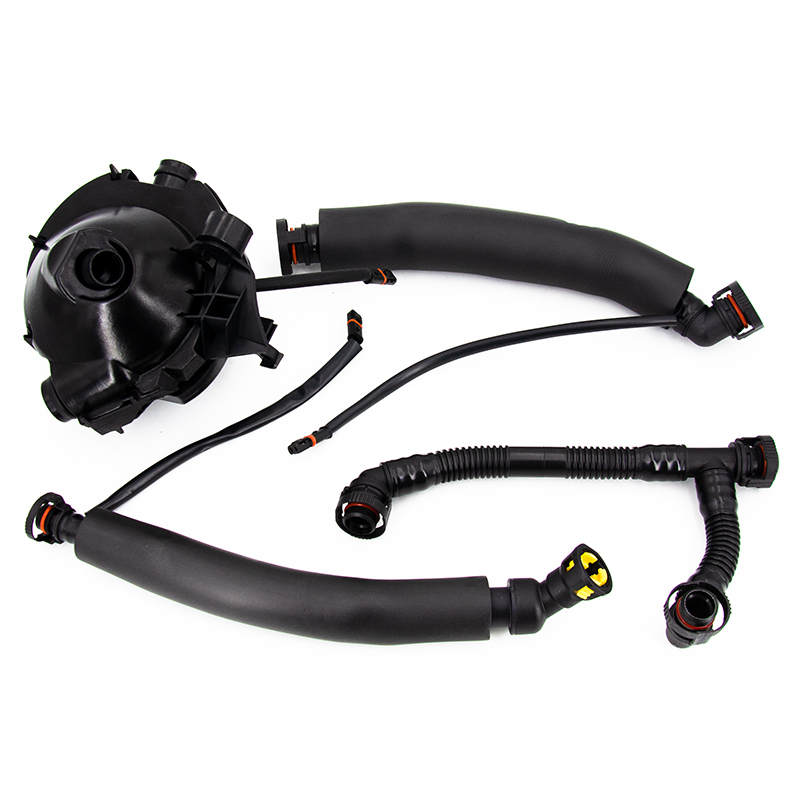
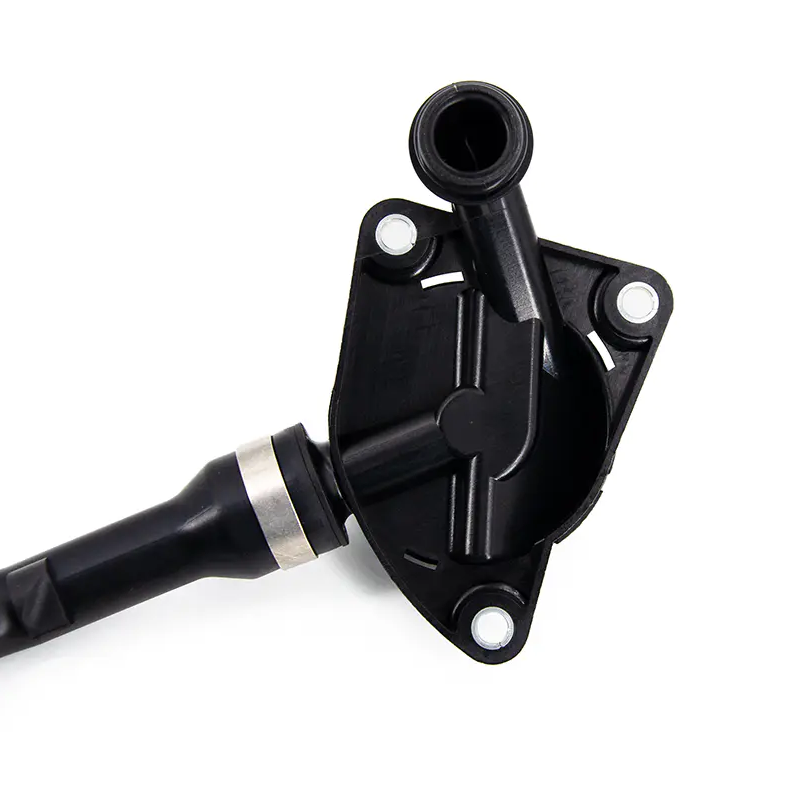
A PCV (Positive Crankcase Ventilation) valve is a one-way flow-control valve that routes blow-by gases from the engine's crankcase back into the intake manifold to be re-burned in the combustion chamber. It is a core component of the crankcase ventilation system in virtually every gasoline-powered car built after the early 1960s.
During normal engine operation, small amounts of combustion gases slip past the piston rings and enter the crankcase. Without ventilation, these gases — which contain water vapor, unburned fuel, and acidic compounds — would pressurize the crankcase, contaminate the engine oil, and accelerate wear. The PCV valve controls the rate at which these gases are drawn out and recycled, protecting both the engine and the environment.
Bottom line: a functioning PCV valve is essential for engine longevity, clean oil, and emissions compliance. Most manufacturers recommend replacing it every 20,000–50,000 miles (32,000–80,000 km), though the exact interval depends on the vehicle and driving conditions.
How the PCV Valve Works Inside Your Engine
The PCV valve sits between the valve cover (or crankcase) and the intake manifold. It contains a spring-loaded plunger that opens or restricts airflow based on engine vacuum:
- At idle (high vacuum): The valve nearly closes, allowing only a small flow of crankcase gases to prevent rough idling.
- At cruise and moderate load: The valve opens wider, increasing gas flow proportionally to engine demand.
- Under hard acceleration (low vacuum): The valve may restrict flow to prevent pulling excess oil mist into the intake.
- In the event of backfire: The valve snaps shut to prevent flame from traveling into the crankcase.
This dynamic regulation means a single small valve — typically costing $5–$30 — is actively protecting your engine thousands of times per drive cycle.
Signs That Your PCV Valve Needs Replacing
A failing PCV valve typically sticks either open or closed, and each failure mode produces different symptoms. Recognizing these early can prevent expensive secondary damage.
Symptoms of a Stuck-Open PCV Valve
- Rough or unstable idle — excess airflow leans out the air-fuel mixture
- Engine oil consumption increases noticeably (more than 1 quart per 3,000 miles)
- Oil leaks at gaskets and seals due to low crankcase pressure
- Black smoke from the exhaust
Symptoms of a Stuck-Closed (Clogged) PCV Valve
- Oil leaks at gaskets and seals caused by excessive crankcase pressure
- Sludge buildup inside the engine — crankcase gases condense rather than being evacuated
- Milky or foamy oil on the dipstick (water vapor trapped in crankcase)
- Check Engine Light (commonly P0171, P0174, or P052E on OBD-II systems)
- Hissing noise from the valve cover area
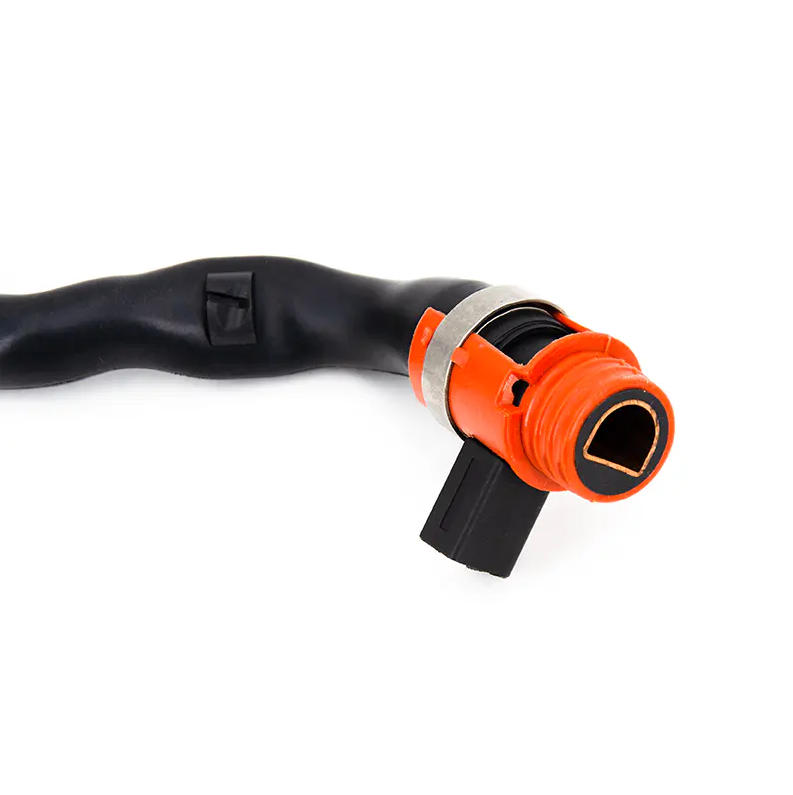
A simple rattle test can help: remove the valve and shake it. A good valve rattles freely; a clogged one will feel stiff or make no sound at all.
When to Change the PCV Valve: Recommended Intervals
There is no universal interval, but the table below reflects common manufacturer guidance and real-world best practices:
| Driving Condition | Recommended Interval | Reason |
|---|---|---|
| Normal highway/mixed driving | Every 30,000–50,000 miles | Standard wear under typical conditions |
| Severe / short-trip city driving | Every 20,000–30,000 miles | More condensation, faster sludge formation |
| High-performance or turbocharged engine | Every 15,000–25,000 miles | Higher blow-by volume accelerates valve wear |
| As part of scheduled tune-up | Every major service interval | Low cost, high preventive value |
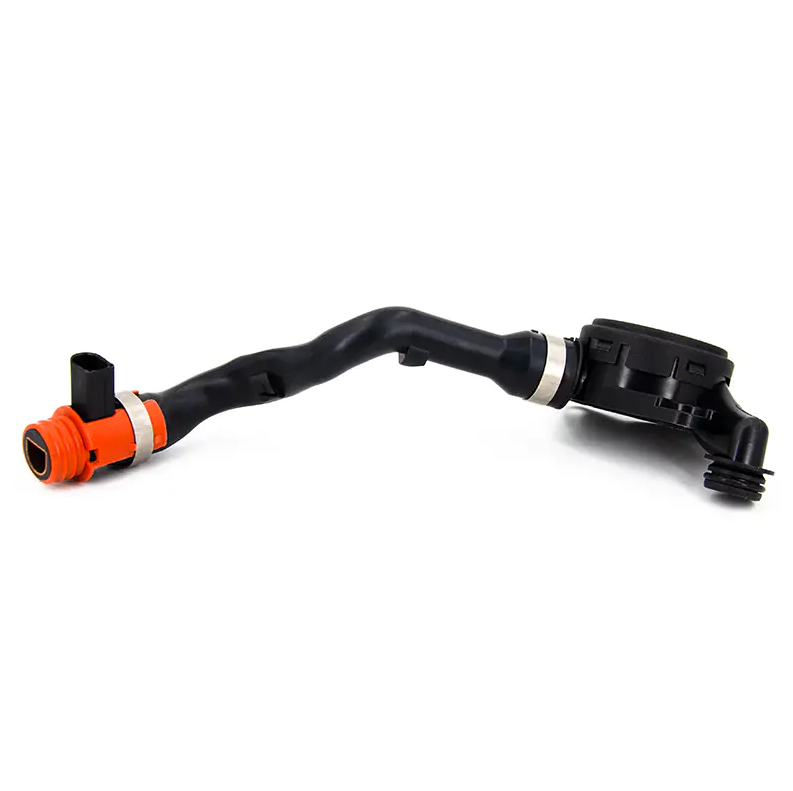
Always check your vehicle's owner manual first — some modern engines integrate the PCV function into the valve cover assembly, requiring a different service procedure.
How to Replace a PCV Valve: Step-by-Step
Replacing a PCV valve is one of the easiest DIY maintenance tasks. On most vehicles, the job takes under 15 minutes and requires no special tools.
- Let the engine cool before starting. A hot engine can cause burns and make hoses brittle.
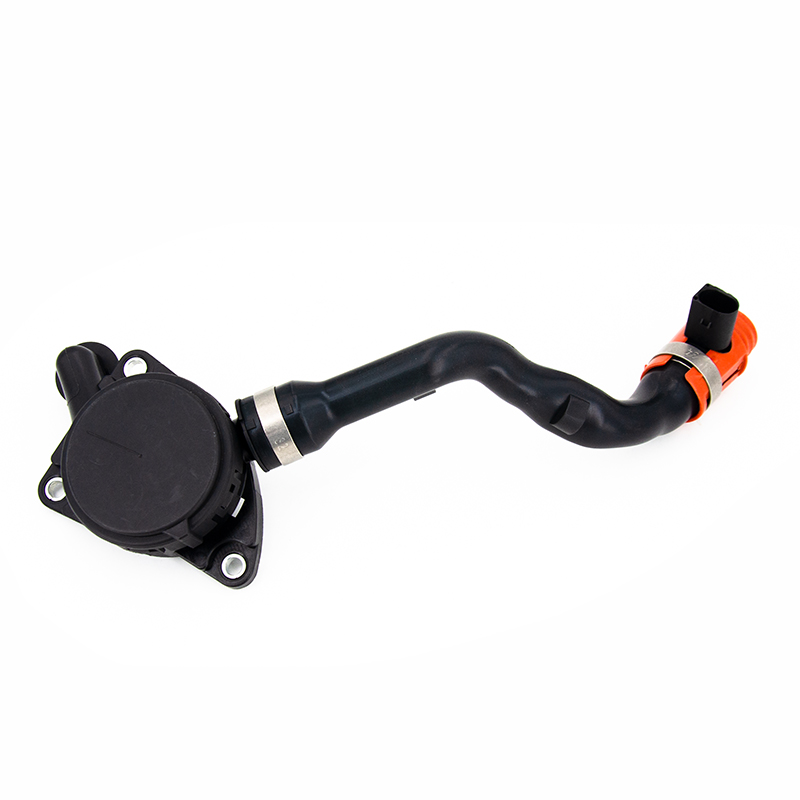
- Locate the PCV valve. It is typically threaded or press-fit into the valve cover and connected to the intake manifold by a rubber hose. Refer to your service manual if needed.
- Remove the hose. Squeeze the clamp or pull the hose off the valve. Inspect the hose for cracks or hardening — replace it if deteriorated.
- Unscrew or pull out the old valve. Threaded valves require a wrench (usually 19mm or 3/4 inch); press-fit valves simply pull straight out.
- Inspect and compare. Shake the old valve — a correctly functioning valve rattles; a failed one does not. Compare to the new part to confirm it's the correct replacement.
- Install the new valve. Thread in by hand first to avoid cross-threading, then snug with a wrench. Do not overtighten — the valve body is often plastic or soft metal.
- Reconnect the hose and start the engine. Listen for hissing sounds and verify no vacuum leaks at the connection points.
What Happens If You Ignore a Failing PCV Valve?
A bad PCV valve is often dismissed as a minor issue, but the downstream costs can be significant:
- Engine sludge: Trapped moisture and blow-by gases degrade oil rapidly. Sludge buildup can block oil passages, leading to premature bearing wear or even catastrophic engine failure — repair costs often exceed $3,000–$5,000.
- Failed emissions test: A malfunctioning crankcase ventilation system causes excess hydrocarbon emissions. In many states, this will result in a failed emissions inspection.
- Damaged intake components: Oil mist drawn through an open valve coats the throttle body, intake valves, and mass airflow sensor, reducing efficiency and potentially requiring cleaning or replacement.
- Oil seal and gasket leaks: Excessive crankcase pressure pushes oil past seals, creating visible leaks and fire hazards near hot exhaust components.
PCV Valve vs. Crankcase Breather: Understanding the Difference
Many engines use both a PCV valve and a crankcase breather (also called a breather filter or fresh air inlet). They work together as a system:
- PCV valve (outlet side): Controls gas flow from the crankcase to the intake manifold under vacuum. It is the active, regulated component.
- Crankcase breather (inlet side): Allows filtered fresh air to enter the crankcase, replacing gases being drawn out by the PCV valve. It is passive and does not regulate flow.
If the breather filter is clogged, the PCV system cannot draw a proper vacuum through the crankcase, negating the valve's function. Inspect and replace the breather filter at the same time as the PCV valve for complete system maintenance.
Choosing the Right Replacement PCV Valve
PCV valves are engine-specific. Using the wrong valve can cause either too much or too little flow, both of which cause problems. When selecting a replacement:
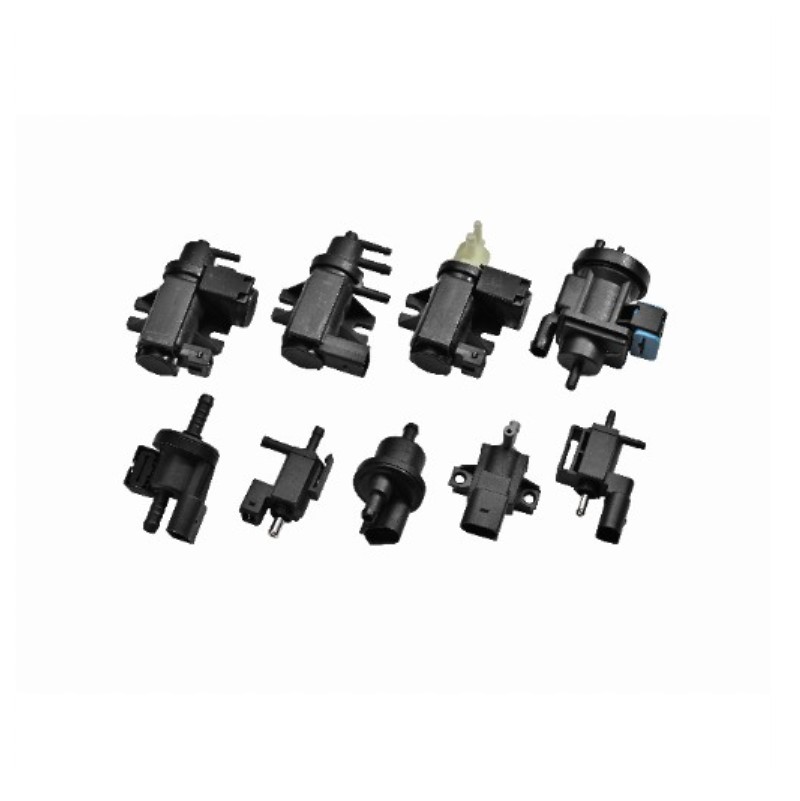
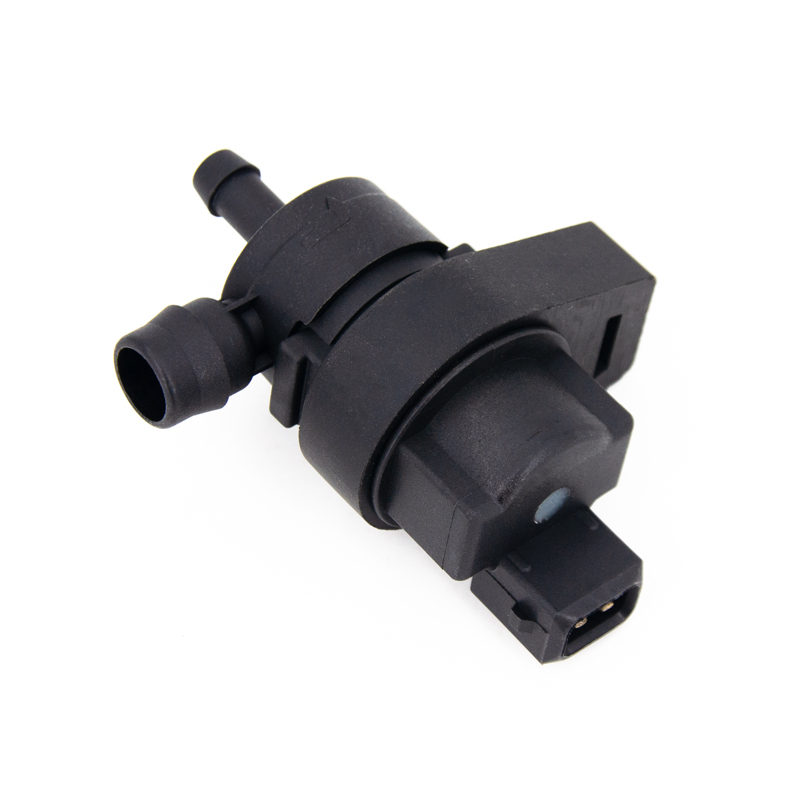
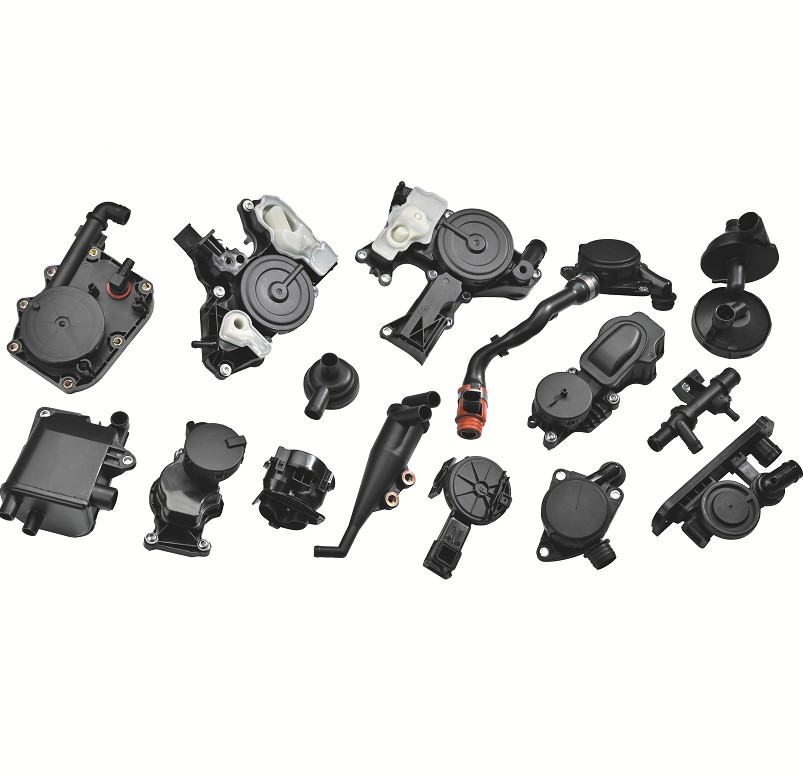
- Match by year, make, model, and engine size — not just by physical appearance. Two valves that look identical may have different flow ratings.
- OEM (Original Equipment Manufacturer) valves are generally the safest choice for daily-driven vehicles, as they are calibrated to the engine's exact vacuum and flow specifications.
- Aftermarket valves from reputable suppliers are acceptable when they meet or exceed OEM flow specifications.
- For turbocharged or modified engines, an upgraded oil separator/catch can system combined with an appropriate valve may provide better protection than a stock replacement alone.
Always verify the part number using your vehicle identification number (VIN) or consult a parts catalog to ensure an exact match before purchase.