English
 русский
 Español
 Deutsch
The standard recommendation is to change the oil filter at every oil change. For most modern vehicles using conventional oil on a 5,000–7,500 km interval, this means filter replacement every 5,000 to 7,500 km. For vehicles using full synthetic oil on extended intervals of 10,000–15,000 km or more, a quality full-flow oil filter should still be replaced at every oil change — even if some filter manufacturers rate their products for longer intervals. The filter and the oil work as a system: fresh oil circulating through a clogged or bypass-saturated filter cannot be kept clean.
Content
What the Oil Filter Does and Why Its Condition Matters
The oil filter removes contaminants — metal particles from bearing and piston ring wear, combustion soot, carbon deposits, dust that enters past the air filter, and debris from internal engine surfaces — from the oil before it is recirculated to lubricate bearings, cylinder walls, and valve train components. A functional oil filter traps particles as small as 20 to 40 microns (high-quality filters can capture particles down to 10 microns) before they reach precision-machined bearing surfaces with clearances of only 15 to 30 microns.
A clogged or saturated filter activates its bypass valve — a pressure-relief mechanism that allows unfiltered oil to flow directly to the engine when differential pressure across the filter exceeds approximately 50 to 100 kPa. Once in bypass mode, the filter provides no filtration — the engine is circulating unfiltered oil containing wear particles that accelerate further wear in a self-reinforcing cycle.
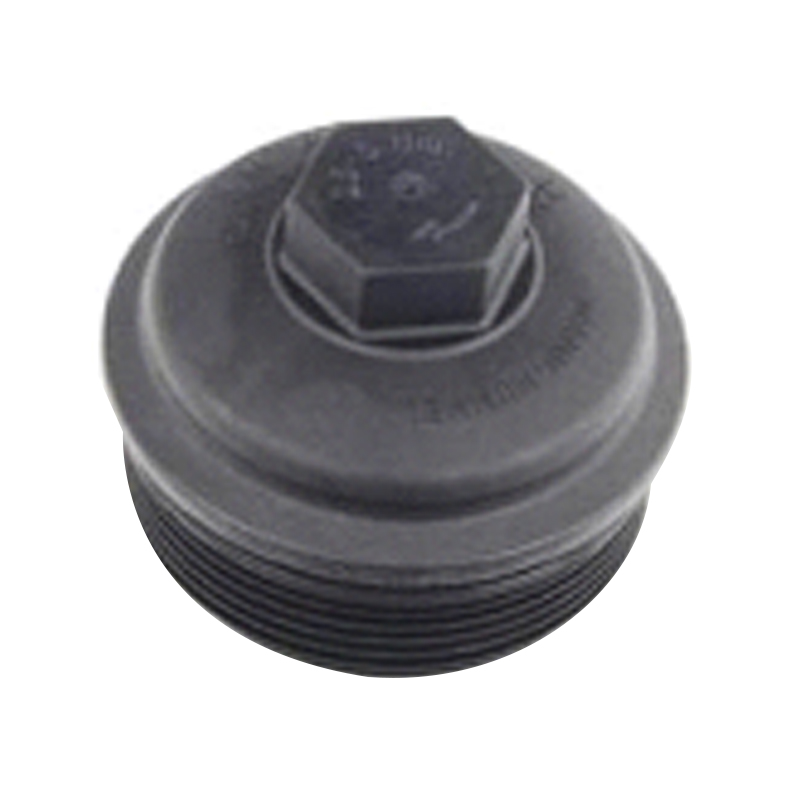
Oil Change Intervals by Oil Type and Vehicle Use
| Oil Type | Normal Driving | Severe Conditions | Filter Change |
|---|---|---|---|
| Conventional mineral oil | 5,000–7,500 km | 3,000–5,000 km | Every oil change |
| Semi-synthetic (blended) | 7,500–10,000 km | 5,000–7,500 km | Every oil change |
| Full synthetic | 10,000–15,000 km | 7,500–10,000 km | Every oil change |
| Extended-life synthetic | 15,000–25,000 km | 10,000–15,000 km | Every oil change (use extended-life filter) |
"Severe driving conditions" — the category requiring shortened intervals — includes short trips of less than 10 km (the engine never fully warms, causing fuel dilution of oil), frequent towing or trailer hauling, dusty off-road driving, extended idling, and extreme cold or heat. Many urban drivers who take short daily trips fall into severe use conditions without realizing it.
Why Skipping an Oil Filter Change Is a False Economy
Some vehicle owners change the oil but skip the filter to save the filter's cost — typically $5 to $20 per filter. This decision is consistently counterproductive for several reasons:
- Contaminated filter contaminates new oil: A used filter retains trapped contaminants in its media. When new oil starts circulating, these contaminants can be flushed back out — contaminating the fresh oil almost immediately and reducing its effective service interval.
- Bypass risk from day one: A filter that is already partially saturated from the previous service interval may enter bypass mode earlier in the new interval — potentially running the engine on unfiltered oil for a significant portion of the service period.
- Cost comparison: An oil filter costs a fraction of 1% of an engine's replacement cost. Accelerated bearing wear from inadequate filtration can reduce engine life by tens of thousands of kilometers — the economic case for skipping filter changes does not hold under any reasonable analysis.
Signs That an Oil Filter Needs Immediate Replacement
- Low oil pressure warning light: If the filter's bypass valve is stuck closed (a rare but possible failure), oil cannot reach the engine — triggering the low oil pressure warning. This is a critical fault requiring immediate engine shutdown and filter inspection.
- Visibly dirty oil: Oil that is jet black and gritty to the touch — particularly between scheduled changes — indicates rapid contamination from a failed or bypassed filter.
- Oil smell or burning odor: Can indicate oil leaking from a loose or incorrectly installed filter — check the filter seating and sealing ring immediately.
- Visible oil leak around the filter housing: The most common cause is an old sealing ring left on the engine block when the new filter was installed — always check that the old O-ring is removed before fitting the replacement.