English
 русский
 Español
 Deutsch
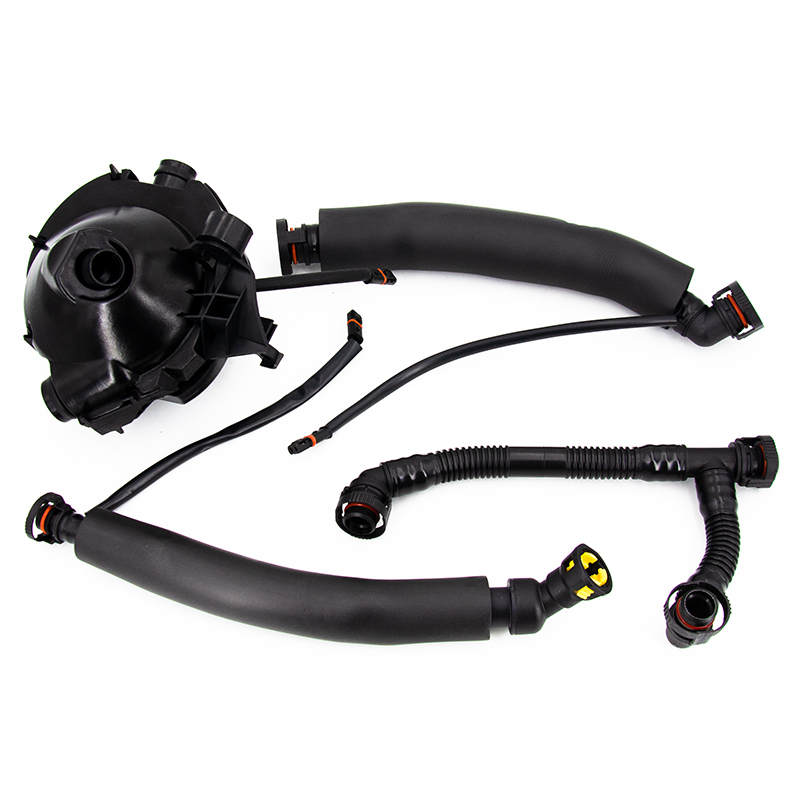
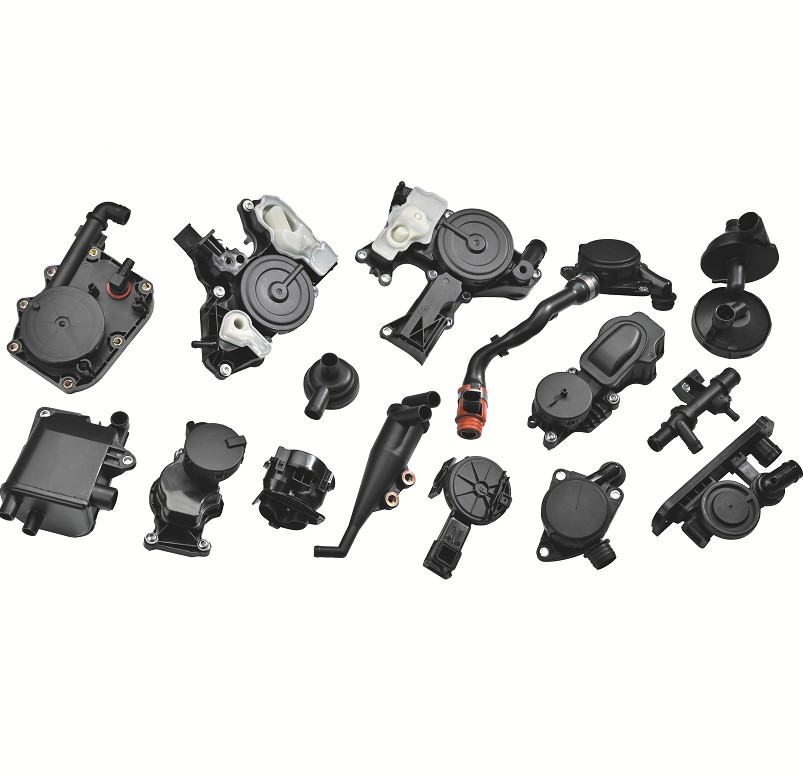
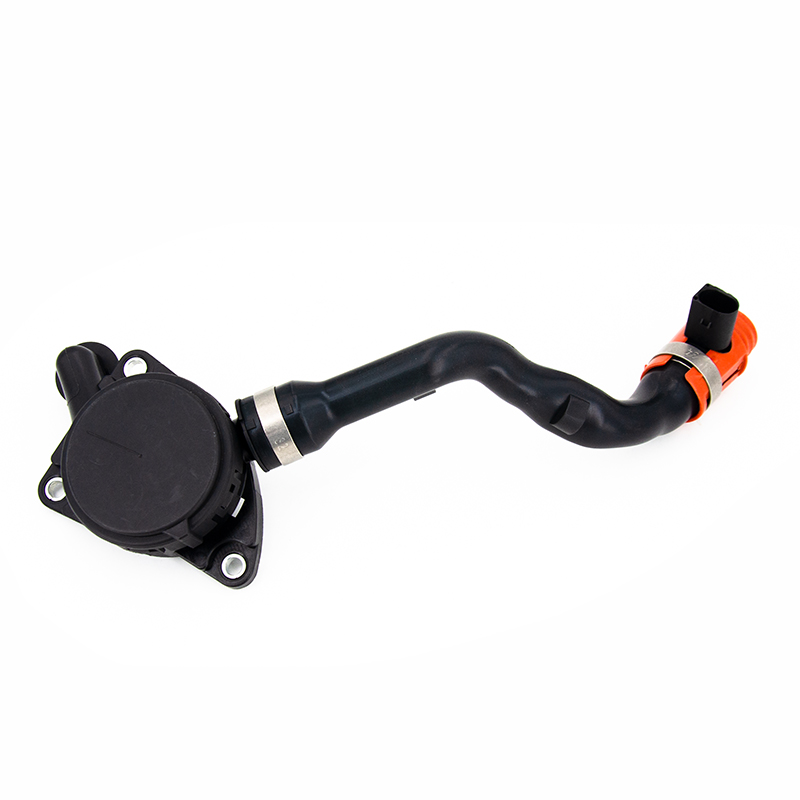
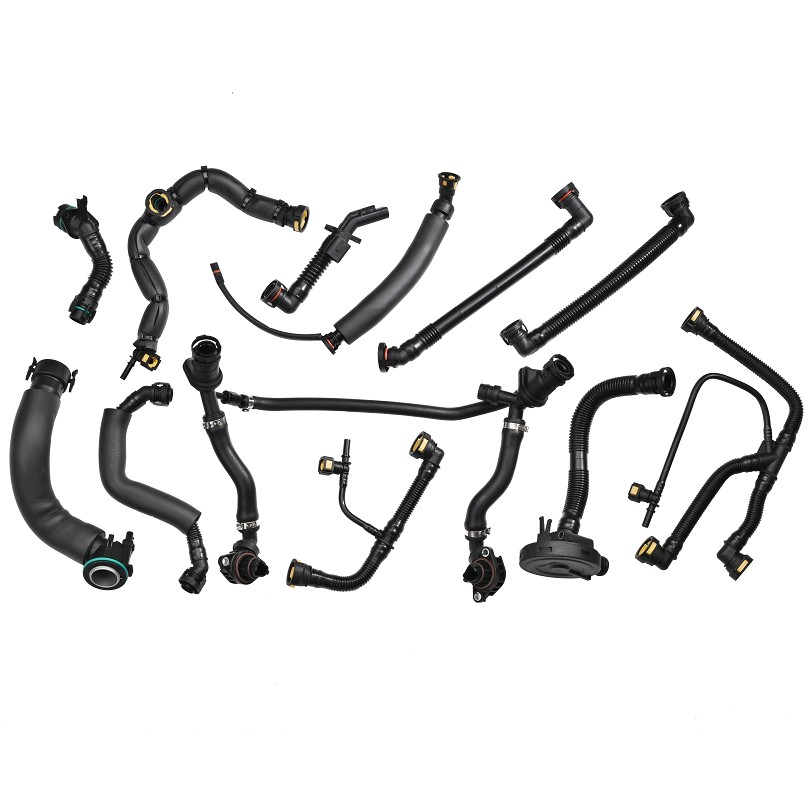
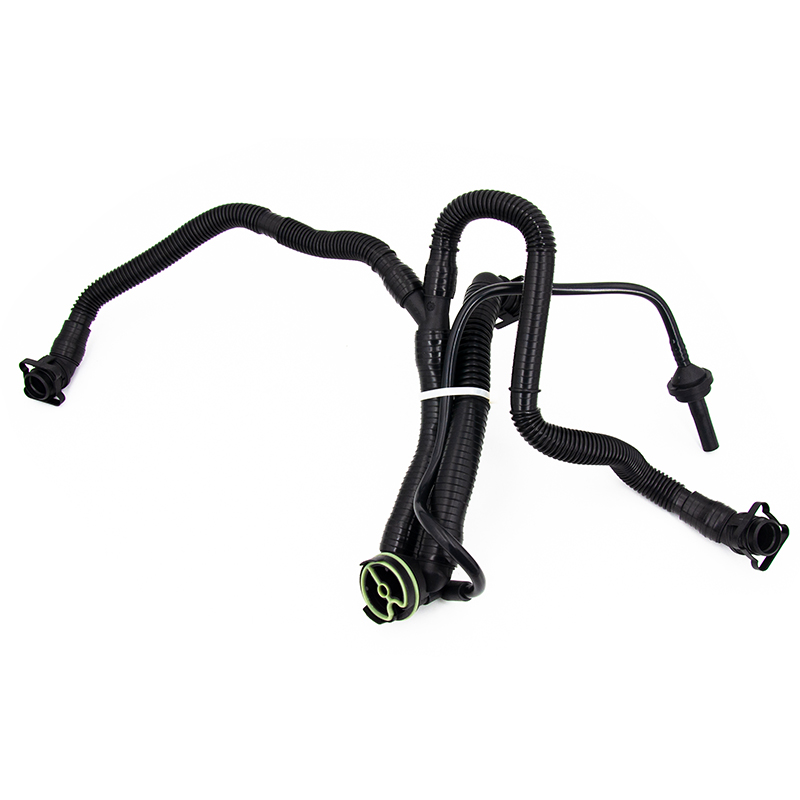
A crankcase repair kit is a curated set of replacement components used to restore the sealing integrity, bearing function, and structural soundness of an engine crankcase during maintenance or overhaul. Rather than purchasing individual parts separately — risking mismatched specifications or missing components — a repair kit bundles all the parts needed for a specific crankcase repair job into a single, engine-matched package. A complete kit typically includes seals, gaskets, bearings, cover plates, bolts, and O-rings, all engineered to the tolerances and material specifications of the target engine.
Using a purpose-matched repair kit rather than sourcing parts individually ensures that all components fit correctly the first time, reducing both labor time and the risk of repeat failure from incompatible parts.
Content
What the Crankcase Does and Why It Fails
The crankcase is the lower structural housing of an engine that encloses the crankshaft, connecting rods, and lower end of the cylinder block. Its roles are to:
- Contain engine oil that lubricates the crankshaft bearings, connecting rod journals, and piston skirts.
- Seal the engine interior from external contamination and atmospheric pressure variations.
- Support crankshaft main bearing caps and maintain precise crankshaft alignment throughout the engine's operating life.
- Manage crankcase pressure through a PCV (positive crankcase ventilation) system to prevent pressure buildup from blow-by gases.
Over time, thermal cycling, vibration, oil degradation, and normal wear cause crankcase seals and gaskets to harden, crack, or compress permanently — leading to oil leaks. Bearings develop wear play, increasing crankshaft movement beyond design tolerances. These failures do not resolve themselves and worsen progressively if left unaddressed.
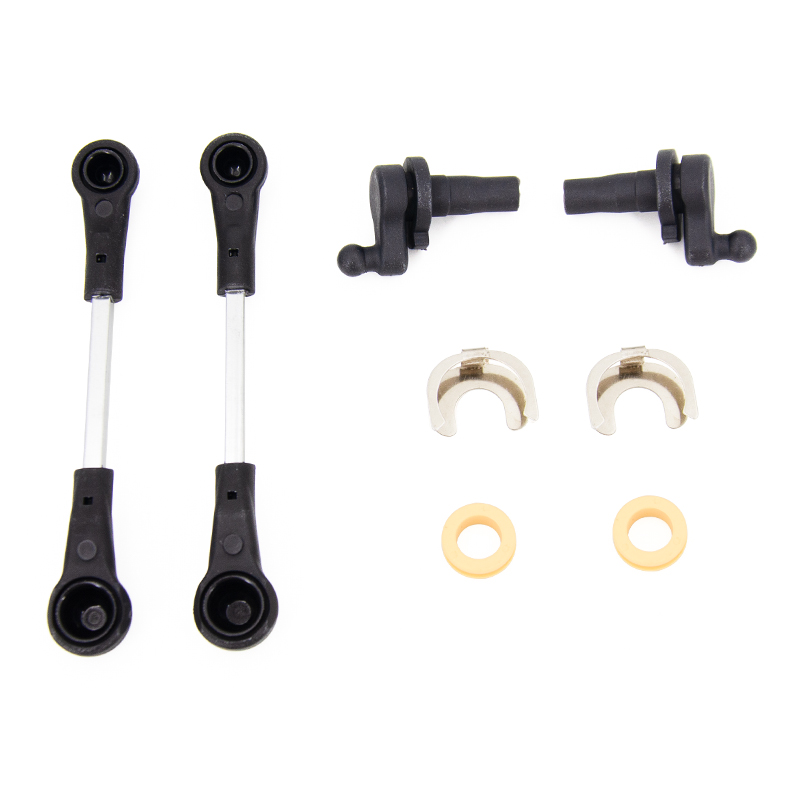
Components Typically Included in a Crankcase Repair Kit
| Component | Material | Function |
|---|---|---|
| Crankshaft rear main seal | Viton or PTFE-lipped rubber | Prevents oil escaping at rear crankshaft exit point |
| Crankshaft front seal | Nitrile or Viton rubber | Seals crankshaft at timing cover; prevents oil leak at front |
| Sump / oil pan gasket | Rubber-coated steel or cork composite | Seals the oil pan joint to the block; high-leak-risk area |
| Main bearing shells | Steel-backed bimetal (copper-lead or aluminum alloy) | Support crankshaft main journals with oil film lubrication |
| Thrust washers | Bimetal bearing alloy | Control crankshaft end-float (axial play) |
| O-rings | Nitrile or silicone rubber | Seal oil gallery plugs, sensor ports, and access covers |
| Bearing cap bolts / stretch bolts | High-tensile steel | Clamp main bearing caps; yield-to-tighten types are single use |
Common Symptoms That Indicate a Crankcase Repair Kit Is Needed
- Oil puddles under the vehicle: Particularly at the rear of the engine (rear main seal failure) or along the bottom of the block (sump gasket failure). Even small leaks — as little as a few drops per parking cycle — indicate active seal deterioration that will worsen.
- Oil consumption without visible external leaks: If the engine consumes oil but no external leak is visible, worn crankcase seals may be allowing oil to enter the combustion chamber via the PCV system.
- Low oil pressure warning: Worn main bearings increase oil clearance, reducing oil pressure. Persistent low oil pressure — especially at idle — often indicates bearing wear requiring replacement.
- Knocking sound from lower engine: A rhythmic knock that deepens at idle and changes with engine load suggests excessive main bearing clearance — a clear sign that bearing replacement is overdue.
- Excessive crankshaft end-play: Detectable during routine inspection by prying the crankshaft axially — excess movement beyond 0.05–0.25 mm (engine-specific specification) indicates thrust washer wear.
Why Using a Complete Kit Is Better Than Individual Part Sourcing
Sourcing crankcase repair components individually from different suppliers creates several practical risks:
- Dimensional mismatches: Seals and gaskets from non-matched sources may have slightly different outside diameters, lip profiles, or bore dimensions — small differences that cause slow leaks even after correct installation.
- Material incompatibility: Mixing Viton and nitrile seals in the same rebuild can lead to one seal failing prematurely because its material is less resistant to the engine's oil type or operating temperature.
- Missing components: Individually ordered parts frequently result in missing items — such as O-rings for oil gallery plugs — that only become apparent during assembly, requiring additional delays and purchases.
- Higher total cost: Per-unit prices for individually sourced components typically exceed the kit price for equivalent parts, especially for lower-volume items like thrust washers and specialized O-rings.
How to Select the Right Crankcase Repair Kit
- Identify the engine precisely: Use the vehicle's VIN, engine code stamped on the block, or engine displacement and variant — crankcase dimensions vary between engine families even within the same vehicle model range.
- Confirm bearing size: If the crankshaft has been reground, the bearing bore is likely undersize (0.25 mm, 0.50 mm, or 0.75 mm undersize are standard steps). Specify the correct undersize bearing shells accordingly — standard shells on a reground journal will result in excessive oil clearance and rapid failure.
- Check kit content against the repair scope: If only the rear main seal and sump gasket need attention, a full bearing kit adds unnecessary cost. Conversely, if bearings are being replaced, ensure the kit includes all main and thrust components, not just a partial set.
- Verify seal material grade: For turbocharged, high-performance, or engines using synthetic oil, specify kits with Viton (FKM) seals rather than standard nitrile — Viton's superior heat and oil resistance is essential in these applications.
- Source from a matched-specification supplier: Kits produced to OEM reference numbers or tested against original equipment dimensions provide the most reliable fit without requiring modification during installation.