English
 русский
 Español
 Deutsch
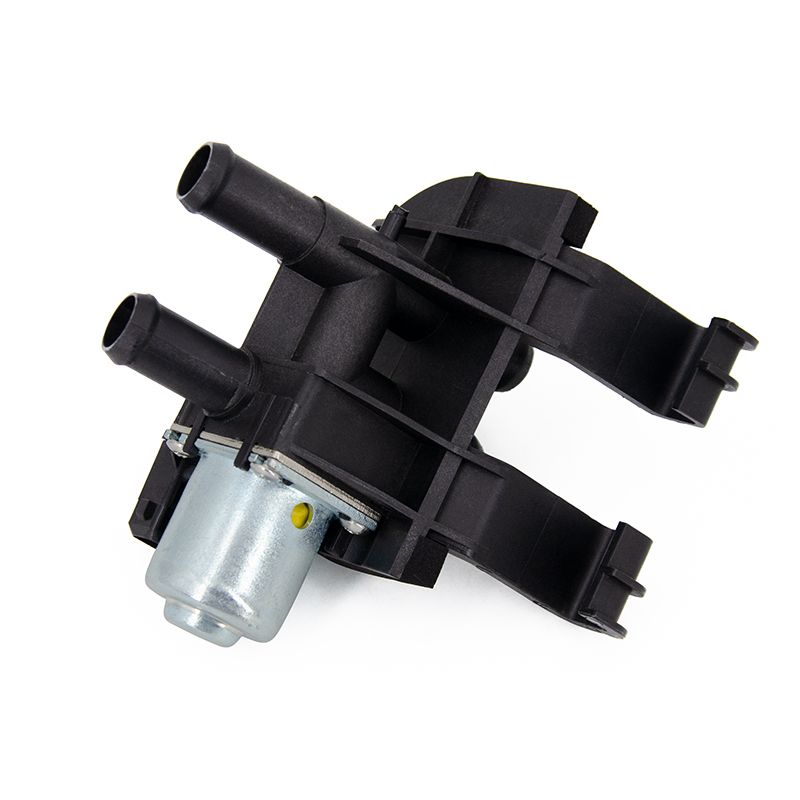
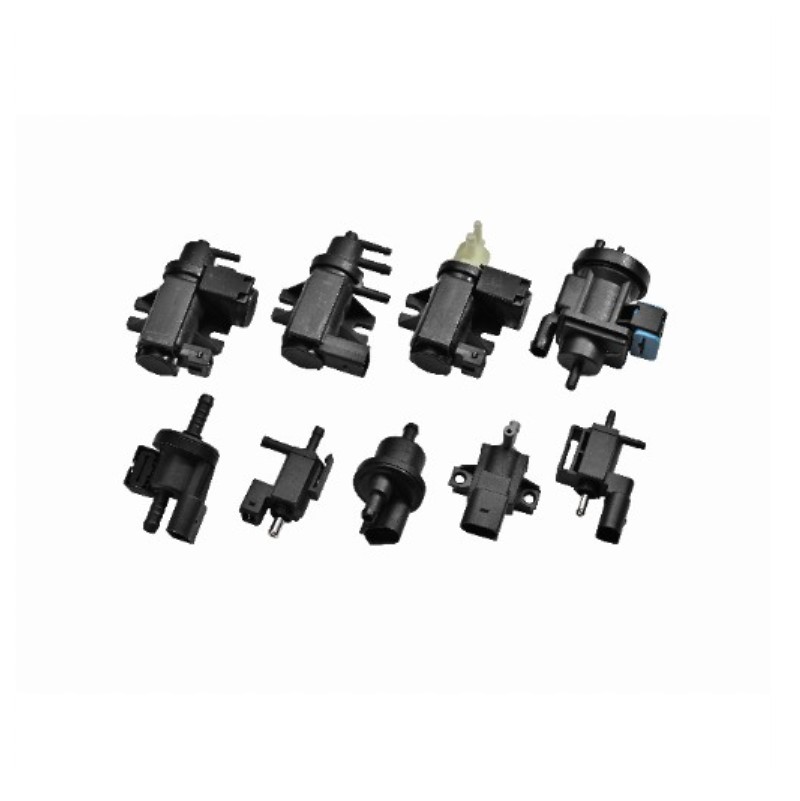
A car solenoid valve is an electromechanical switch for fluid or gas flow — it converts an electrical signal from the engine control unit (ECU) or transmission control module into precise mechanical valve movement, opening or closing a passage to control fuel, air, oil pressure, or exhaust gases in real time. Without solenoid valves, modern engines and automatic transmissions could not be managed electronically, making precise fuel efficiency, smooth gear shifts, and low emissions impossible to achieve.
The operating principle is straightforward: an electrical coil inside the valve body generates a magnetic field when energized. This field moves a ferromagnetic plunger against or away from a valve seat, opening or closing the flow path within milliseconds. The ECU controls both the timing and duration of energization — allowing variable flow control through pulse-width modulation (PWM) in addition to simple on/off switching.
Content
Primary Functions of Solenoid Valves in Engine Control
Fuel Injection Timing and Volume Control
In fuel-injected engines, each fuel injector is itself a solenoid valve. The ECU calculates the precise quantity of fuel needed for each combustion event based on engine load, speed, throttle position, and oxygen sensor feedback — then energizes each injector solenoid for an exact duration (the injector pulse width), typically between 1.5 and 15 milliseconds per injection event. This precision enables fuel economy improvements of 20–30% compared to carbureted systems while simultaneously reducing harmful emissions.
Variable Valve Timing (VVT) Actuation
Variable valve timing systems use oil control solenoid valves (also called VVT solenoids or OCV solenoids) to direct pressurized engine oil to the camshaft phaser mechanism. By advancing or retarding camshaft position — typically across a range of 30 to 50 degrees of crankshaft rotation — the engine optimizes valve overlap for low-speed torque and high-speed power simultaneously. The solenoid valve is the component that makes this real-time adjustment possible on every engine cycle.
Evaporative Emissions (EVAP) System Control
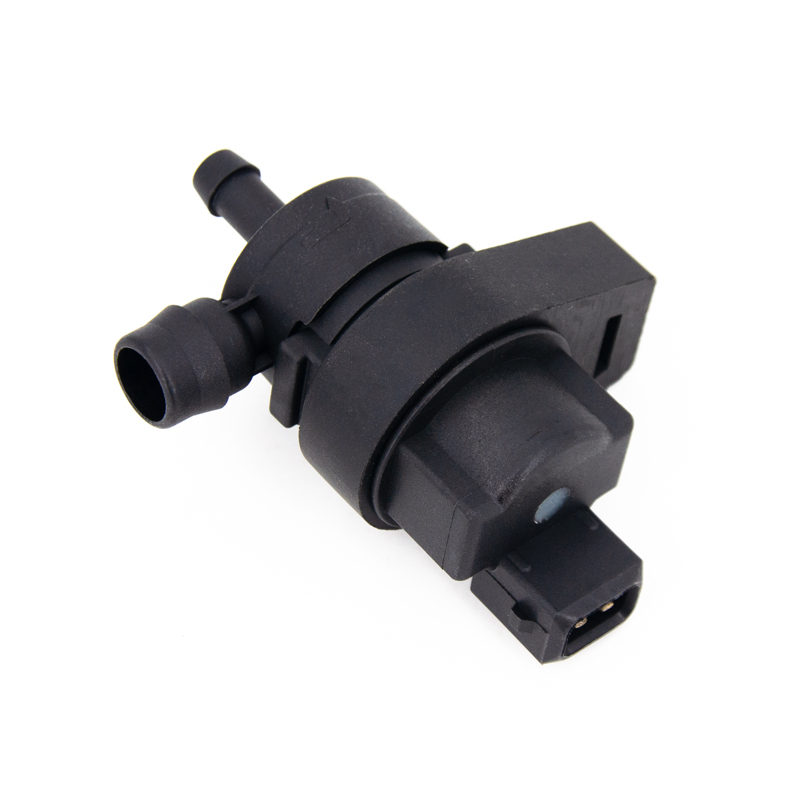
The EVAP canister purge solenoid valve controls the flow of fuel vapors from the charcoal canister into the intake manifold for combustion. It opens only when engine conditions are appropriate for vapor purging — typically at warm idle or cruise — preventing unburned hydrocarbon emissions from venting to atmosphere. Failure of this solenoid is one of the most common causes of an illuminated check engine light with emission-related fault codes.
Turbocharger Boost Control
Turbocharged engines use a boost control solenoid valve to regulate wastegate actuator pressure, controlling how much exhaust gas bypasses the turbine wheel. By varying the solenoid's duty cycle, the ECU manages boost pressure with precision — protecting the engine from overboosting while maximizing available power. A malfunctioning boost control solenoid results in either boost overrun (engine damage risk) or underboost (significant power loss).
Solenoid Valve Functions in Automatic Transmission Control
Automatic transmissions rely on solenoid valves to manage hydraulic pressure in the valve body — the internal hydraulic control unit that routes oil to clutch packs and brake bands to engage different gear ratios. A modern 8- or 10-speed automatic transmission may contain 8 to 12 individual solenoid valves, each performing a specific hydraulic control function.
- Shift solenoids: Open and close oil passages to engage or release specific clutch packs, executing upshifts and downshifts in response to TCM commands.
- Torque converter clutch (TCC) solenoid: Controls engagement of the lock-up clutch in the torque converter, eliminating slip at highway speeds to improve fuel economy by up to 8–12%.
- Line pressure solenoid: Modulates main hydraulic line pressure based on throttle position and load — higher pressure for hard acceleration, lower pressure for light-load driving to reduce parasitic pump losses.
- Variable force solenoids (VFS): Provide continuously variable pressure output through PWM control, enabling smoother clutch engagement and finer control of shift feel compared to simple on/off solenoids.
Other Automotive Systems That Use Solenoid Valves
| Automotive System | Solenoid Valve Role | Effect of Failure |
|---|---|---|
| ABS braking system | Modulates brake fluid pressure per wheel during ABS events | ABS deactivation; wheel lockup under hard braking |
| Air suspension | Controls air flow to individual air springs for height adjustment | Suspension sag or inability to raise/lower |
| EGR (exhaust gas recirculation) | Meters exhaust gas flow back into intake manifold | Elevated NOx emissions; rough idle |
| Power steering (electro-hydraulic) | Varies power steering assist pressure with vehicle speed | Heavy steering at low speed or over-assist at highway speeds |
| Idle air control (older engines) | Bypasses throttle plate to control idle speed | Unstable or stalling idle; poor cold-start behavior |
Symptoms of a Failing Solenoid Valve and When to Replace
- Check engine light with solenoid-related codes: Most solenoid failures are detected by the ECU through circuit monitoring (open circuit, short to ground, or performance rationality faults) and stored as diagnostic trouble codes (DTCs).
- Harsh, delayed, or erratic gear changes: A failing transmission shift or pressure control solenoid causes the valve body to lose precise hydraulic control, resulting in gear engagement problems, shuddering, or slipping.
- Poor fuel economy or rough idle: A stuck-open fuel injector solenoid delivers excess fuel; a stuck-closed solenoid causes a misfire on that cylinder.
- Engine oil consumption or sludge buildup: A failed VVT oil control solenoid that sticks open can flood the phaser mechanism with oil or fail to drain it, leading to camshaft timing errors and excessive oil consumption.
Solenoid valves are generally not serviceable — replacement as a unit is the standard repair. Many VVT solenoid failures are prevented by following the manufacturer's oil change interval, as contaminated or degraded oil is the leading cause of solenoid screen clogging and plunger sticking.