English
 русский
 Español
 Deutsch
The earliest signs of a car solenoid valve malfunction include rough or delayed gear shifts, engine misfires, illuminated check engine or transmission warning lights, abnormal clicking or buzzing sounds from the engine bay or transmission, and noticeable drops in fuel efficiency. Because solenoid valves govern both fuel delivery and transmission hydraulics, even a partially failing solenoid can produce multiple symptoms simultaneously — making early recognition critical to preventing expensive mechanical failures.
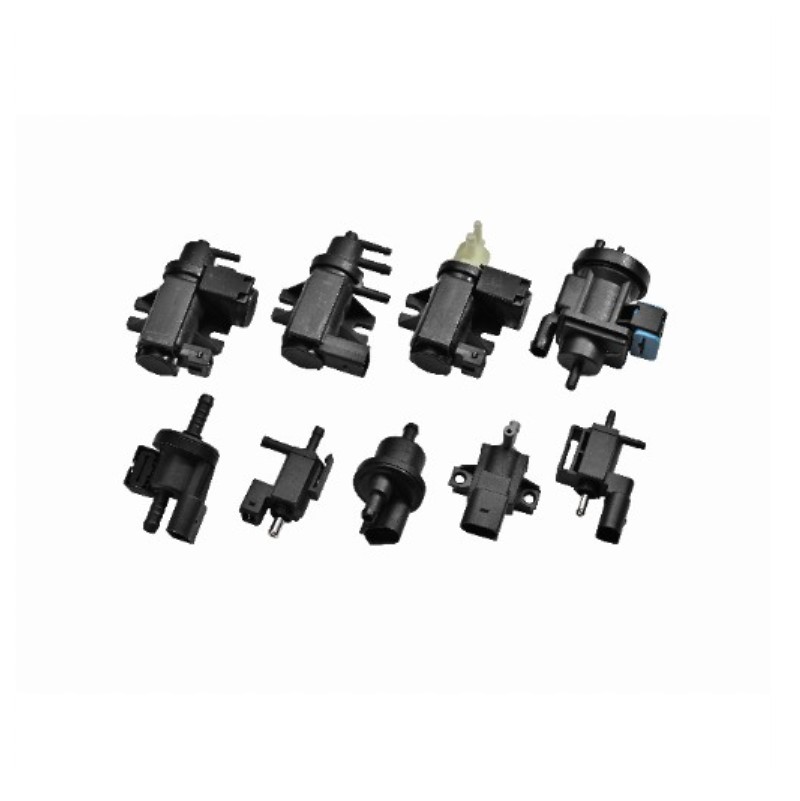
Solenoid valves are electromagnetic control devices found in the engine management system and the automatic transmission shift control system. When energized, the internal coil generates a magnetic field that opens or closes the valve with precision, allowing the engine control unit (ECU) to manage fuel injection timing, air intake, ignition, and hydraulic pressure in the transmission. When a solenoid begins to fail, this precision breaks down — and the effects spread quickly through multiple vehicle systems.
Understanding these early warning signs in detail — and knowing how to distinguish between a solenoid issue and other mechanical problems — can save significant time and repair costs.
Content
- 1 How Solenoid Valves Work in Modern Vehicles
- 2 Early Warning Signs of Transmission Solenoid Malfunction
- 3 Early Warning Signs of Engine Solenoid Malfunction
- 4 Dashboard Warning Lights Associated With Solenoid Faults
- 5 Audible and Physical Symptoms You Can Detect Without Tools
- 6 Distinguishing Solenoid Faults From Other Similar Symptoms
- 7 Root Causes Behind Solenoid Valve Failure
- 8 How to Confirm a Solenoid Fault With Basic Diagnostic Steps
- 9 What Happens If Solenoid Faults Are Left Unaddressed
- 10 Preventive Measures to Reduce the Risk of Solenoid Failure
How Solenoid Valves Work in Modern Vehicles
To recognize failure symptoms accurately, it helps to understand what solenoids actually do in two key systems:
Engine Control System
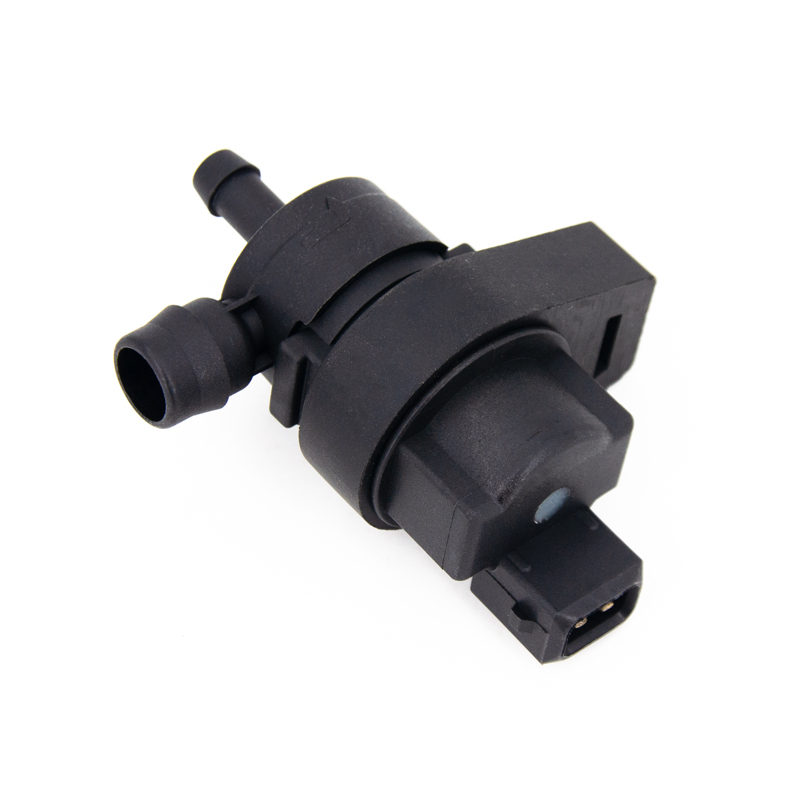
In the engine, solenoid valves are used to regulate fuel injectors, control variable valve timing (VVT) oil flow, manage exhaust gas recirculation (EGR), and operate the evaporative emission control (EVAP) purge system. The ECU sends precisely timed electrical pulses to each solenoid, and the solenoid responds by opening or closing its valve within milliseconds. This allows the engine to match fuel delivery and air intake to real-time driving demands with a level of precision that mechanical systems cannot achieve.
Automatic Transmission Shift Control System
In the automatic transmission, shift solenoids control the flow of hydraulic fluid through the valve body to engage or disengage specific gear clutch packs. Modern automatic transmissions typically contain between 4 and 8 solenoids, each responsible for a specific shift sequence or pressure regulation function. When one solenoid fails, it disrupts hydraulic pressure balance, causing incorrect gear engagement, slipping, or complete failure to shift into certain gears.
Because these components are so deeply integrated into engine and transmission control, a single failing solenoid can cascade into symptoms that appear unrelated at first glance.
Early Warning Signs of Transmission Solenoid Malfunction
Transmission solenoid problems are often the first to become noticeable because gear shifting is something drivers feel directly and immediately. Watch for the following early indicators:
Delayed or Sluggish Gear Changes
Under normal operation, an automatic transmission should shift gears smoothly within a fraction of a second. When a shift solenoid begins to fail, hydraulic pressure to the relevant clutch pack is either delayed or inconsistent. This produces a noticeable lag between when the transmission should shift and when it actually does — often felt as a hesitation of 1–3 seconds during acceleration. Some drivers describe the sensation as the engine "revving freely" before the gear engages.
Rough, Jerky, or Harsh Shifts
A solenoid that is intermittently sticking open or closed causes sudden changes in hydraulic pressure. Instead of a smooth transition between gears, the driver experiences a hard jolt or clunk when shifting. This symptom can be confused with worn motor mounts or driveshaft issues, but when the harshness is specifically tied to gear changes — particularly at consistent speed thresholds — a solenoid problem is a primary suspect.
Transmission Stuck in a Single Gear or Limp Mode
Many modern transmissions enter a protective "limp mode" when the control module detects a solenoid fault. In limp mode, the transmission locks into a single gear — usually second or third — to allow the vehicle to be driven to a repair facility without catastrophic damage. A vehicle that suddenly refuses to shift out of one gear, even after restarting, is a strong indicator of a solenoid failure that has triggered the transmission control module's fault response.
Gear Slipping Without Commanded Shift
Slipping occurs when the transmission unintentionally drops out of the current gear and momentarily loses drive before re-engaging. This is caused by a solenoid that fails to maintain consistent hydraulic pressure to hold the clutch pack engaged. Slipping is not only uncomfortable — it generates significant heat in the transmission fluid and can cause rapid wear on clutch friction material if left unaddressed. Fluid that has darkened or taken on a burned odor is often a secondary sign of prolonged slipping caused by a solenoid fault.
Inability to Downshift Under Load
When accelerating hard or climbing a steep gradient, the transmission should automatically downshift to provide greater torque. A failing downshift solenoid prevents this from happening, causing the engine to labor and strain under load at a higher gear than appropriate. Drivers may notice this as a lack of power response when pressing the accelerator firmly, accompanied by a drop in engine RPM that does not correspond to increased speed.
Early Warning Signs of Engine Solenoid Malfunction
Engine-related solenoid failures produce symptoms that overlap with other common faults such as fuel system problems or ignition issues. Knowing which specific engine solenoids are involved helps narrow the diagnosis.
Engine Misfires and Rough Idle
Fuel injector solenoids that are beginning to fail may deliver inconsistent fuel quantities per injection cycle. This causes one or more cylinders to misfire — producing a rough, uneven idle and a stumbling sensation during light throttle driving. A misfire on a single cylinder, confirmed by an OBD-II scanner showing a fault code such as P0300–P0308, combined with normal spark plug condition, strongly suggests an injector solenoid issue.
Loss of Power and Hesitation on Acceleration
A variable valve timing (VVT) solenoid that is partially clogged or electrically failing prevents the ECU from advancing or retarding camshaft timing as needed. This limits the engine's ability to optimize torque output across the RPM range. The result is a noticeable flat spot or hesitation during mid-range acceleration — typically felt between 2,000 and 4,000 RPM — even though the engine sounds otherwise normal at idle.
Decline in Fuel Economy
When fuel injector solenoids do not open and close at precisely the right moment, fuel delivery becomes inefficient. More fuel is burned to achieve the same power output, leading to a measurable drop in fuel efficiency. A drop of 10–15% in fuel economy over a short period — without a change in driving habits, weather, or tire pressure — is a meaningful early warning that the fuel delivery system, including injector solenoids, should be inspected.
EVAP System Solenoid Faults and Fuel Smell
The EVAP purge solenoid controls when fuel vapors from the fuel tank are directed into the intake manifold for combustion. When this solenoid sticks open, excess fuel vapor enters the intake at inappropriate times, causing a rich-running condition and a noticeable fuel smell near the vehicle. When it sticks closed, the ECU cannot purge the charcoal canister, leading to stored fault codes related to EVAP system integrity and potential failures during emissions testing.
EGR Solenoid Failure and Engine Knock
The exhaust gas recirculation system uses a solenoid to control how much exhaust gas is reintroduced into the intake. A failing EGR solenoid that allows too little recirculation causes combustion temperatures to rise, which can produce engine knock (detonation) at higher loads. A solenoid stuck open allows too much exhaust gas into the intake, causing rough idle, hesitation, and sometimes stalling at low speeds.
Dashboard Warning Lights Associated With Solenoid Faults
Modern vehicles continuously monitor solenoid performance through the ECU and transmission control module (TCM). When a solenoid's electrical resistance, response time, or output pressure falls outside acceptable limits, the control module stores a diagnostic trouble code (DTC) and illuminates a warning light. The most common dashboard indicators associated with solenoid malfunction include:
| Warning Light | Likely Solenoid Involved | Common DTC Codes | Urgency Level |
|---|---|---|---|
| Check Engine Light (CEL) | Fuel injector, VVT, EGR, EVAP purge solenoid | P0300–P0308, P0011, P0013, P0401, P0443 | Moderate — inspect within 1–2 weeks |
| Transmission Warning Light | Shift solenoid, pressure control solenoid | P0750–P0775, P0745, P0795 | High — inspect immediately |
| Check Engine + Flashing | Injector solenoid causing active misfire | P0300–P0308 (active) | Critical — stop driving, risk of catalyst damage |
| Oil Pressure Warning | VVT oil control solenoid | P0011, P0021 | High — verify oil level and solenoid condition |
| Emission / Service Light | EVAP purge solenoid, EGR solenoid | P0441, P0443, P0400, P0403 | Low-moderate — will cause emissions test failure |
It is important to note that warning lights alone do not confirm a solenoid fault — the stored DTC must be read with an OBD-II diagnostic scanner to identify the specific system and component involved. However, a warning light in combination with any of the physical symptoms described above significantly narrows the diagnosis.
Audible and Physical Symptoms You Can Detect Without Tools
Some solenoid faults produce sounds or physical sensations that can be detected without any diagnostic equipment. These sensory clues are often noticed before a warning light appears and should not be dismissed.
Clicking or Buzzing Sounds
A properly functioning solenoid produces a subtle click when it opens or closes — a sound that is normally inaudible from inside the vehicle. A solenoid that is failing electrically may produce a rapid buzzing or chattering sound as the armature vibrates instead of moving cleanly between open and closed positions. This sound is often most audible at idle when the engine is otherwise quiet, and may be heard from the engine bay (indicating an engine solenoid) or from beneath the vehicle near the transmission.
Vibration Through the Gear Selector or Floorboard
When a transmission shift solenoid fails to engage smoothly, the resulting hydraulic pressure spike can transmit vibration through the transmission case and into the vehicle's body. Drivers may feel an unusual shudder or vibration through the gear selector lever or through the floorboard specifically during gear transitions, even when the shift itself appears otherwise normal in terms of timing.
Burning Smell From the Transmission Area
Transmission fluid that has been overheated by a solenoid-caused slipping condition develops a distinct acrid, burning odor. This smell may be noticed after extended driving and is a sign that clutch friction material is being worn at an accelerated rate. If a burning smell is present along with rough shifting, the transmission fluid condition should be checked immediately — dark brown or black fluid with a burned odor confirms that the transmission has been operating under thermal stress.
Distinguishing Solenoid Faults From Other Similar Symptoms
Because solenoid malfunction symptoms overlap significantly with other mechanical and electrical faults, correct identification requires ruling out alternative causes. The table below summarizes how to distinguish solenoid problems from the most common look-alike issues:
| Symptom | Solenoid Fault | Other Likely Cause | Key Differentiator |
|---|---|---|---|
| Rough gear shift | Shift solenoid failure | Worn clutch packs, low fluid | DTC for specific solenoid circuit; fluid level and condition normal |
| Engine misfire | Injector solenoid fault | Worn spark plugs, ignition coil | New plugs/coils do not resolve the misfire; injector resistance test abnormal |
| Power loss at mid RPM | VVT solenoid clog or failure | Clogged air filter, fuel pump | VVT DTC present; air filter and fuel pressure normal |
| Fuel smell near vehicle | EVAP purge solenoid stuck open | Fuel line leak, injector o-ring | No visible fuel leak; EVAP DTC stored; smell strongest after shutdown |
| Transmission limp mode | Shift or pressure solenoid | TCM failure, wiring harness fault | DTC points to specific solenoid circuit; wiring continuity normal |
Root Causes Behind Solenoid Valve Failure
Understanding why solenoids fail helps identify which vehicles and maintenance patterns are most at risk. The most common failure mechanisms include:
- Contaminated fluid: This is the single most common cause of transmission solenoid failure. Transmission fluid that has not been changed at the recommended interval breaks down into varnish and sludge, which deposits on the solenoid valve body and restricts or blocks the valve's movement. Most manufacturers recommend transmission fluid service every 60,000–100,000 km under normal driving conditions.
- Electrical coil burnout: The solenoid coil is rated for a specific operating voltage and current. Voltage spikes, corroded connectors, or poor grounds cause the coil to overheat and eventually burn out. A burned coil measures either open-circuit (infinite resistance) or short-circuit (near-zero resistance) with a multimeter.
- Armature sticking: Corrosion, varnish buildup, or metal particle contamination can cause the solenoid's internal armature (the moving metal plunger) to stick in either the open or closed position. A solenoid that is electrically functional but mechanically stuck will not respond to control signals correctly.
- Oil starvation in VVT solenoids: Variable valve timing solenoids rely on engine oil pressure to function. Low oil level, oil that is too thin due to dilution, or an oil system that has not been serviced regularly causes these solenoids to operate under insufficient pressure, leading to slow response times and eventual control failure.
- Wiring harness damage: Road debris, heat cycling, and vibration can cause the wiring harness connections to solenoids to develop high-resistance faults or intermittent breaks. These electrical faults produce erratic solenoid behavior that may appear as an intermittent mechanical fault rather than a wiring problem.
- Normal wear over time: Solenoid valve bodies, seals, and coil windings degrade through normal thermal cycling over the life of the vehicle. Most solenoids are designed for service lives of 150,000–200,000 km, but this varies significantly based on operating temperatures and fluid maintenance history.
How to Confirm a Solenoid Fault With Basic Diagnostic Steps
If you suspect a solenoid is beginning to fail based on the symptoms above, several diagnostic steps can be performed before visiting a repair facility. These steps help narrow the problem and avoid unnecessary part replacements.
- Read stored DTCs with an OBD-II scanner: A basic OBD-II scanner costing as little as $25–50 can retrieve fault codes from the ECU and transmission control module. Codes in the P07xx range typically indicate transmission solenoid faults, while P0011, P0021, P0443, and similar codes point to specific engine solenoids. Always read and record all stored codes before clearing them.
- Inspect transmission fluid condition and level: Pull the transmission dipstick (on vehicles that have one) or request a fluid check at a service facility. Healthy transmission fluid is bright red and nearly odorless. Dark, brown, or burned-smelling fluid indicates contamination that may have already damaged solenoid components.
- Test solenoid coil resistance with a multimeter: A digital multimeter set to resistance (ohms) can measure whether a solenoid coil is within specification. Most automotive solenoids have a coil resistance between 10 and 30 ohms. A reading of zero ohms indicates a short circuit; a reading of infinite resistance indicates an open-circuit coil — both are definitive signs of a failed solenoid.
- Check the solenoid wiring harness and connectors: Visually inspect the wiring connector at each suspected solenoid for corrosion, bent pins, or melted insulation. Use a multimeter to verify that the correct supply voltage reaches the solenoid connector with the ignition on. Absent or incorrect voltage points to a wiring or control module issue rather than the solenoid itself.
- Check engine oil level and condition for VVT solenoids: If the fault code points to a variable valve timing solenoid, verify that the engine oil is at the correct level and that it has been changed recently. VVT solenoids clogged by dirty oil often respond to an oil change and a cleaning flush before requiring replacement.
What Happens If Solenoid Faults Are Left Unaddressed
Early solenoid symptoms are often mild enough that many drivers delay repair, particularly if the vehicle remains drivable. However, the consequences of ignoring solenoid faults escalate quickly and can result in significantly more expensive damage:
- Transmission overheating and clutch pack destruction: A slipping transmission caused by a failed solenoid generates excess heat continuously. Sustained overheating can destroy clutch friction discs within a relatively short driving period, converting a solenoid repair costing a few hundred dollars into a full transmission rebuild costing several thousand dollars.
- Catalytic converter damage from engine misfires: Unburned fuel from an injector solenoid misfire enters the exhaust system and ignites in the catalytic converter, causing it to overheat and melt internally. Catalytic converter replacement is one of the more expensive emission-related repairs, often exceeding the cost of the solenoid replacement by a factor of five or more.
- Engine timing damage from VVT solenoid failure: Camshaft timing that cannot be controlled correctly by the ECU can cause valves to open at the wrong time, potentially leading to contact between valves and pistons in interference-fit engines — a catastrophic failure requiring full engine rebuilding.
- Fuel system contamination from stuck injectors: Injector solenoids that remain open deposit excess raw fuel into the cylinder, washing lubrication from cylinder walls and diluting engine oil. This accelerates wear on rings, cylinders, and bearings throughout the engine.
Addressing solenoid faults at the earliest symptom stage typically costs 70–90% less than repairing the secondary damage caused by delayed action. Prompt diagnosis is always more cost-effective than reactive repair after a secondary failure has occurred.
Preventive Measures to Reduce the Risk of Solenoid Failure
While solenoid valves do eventually wear out, their service life can be extended significantly through proper vehicle maintenance. The following practices have the greatest impact on solenoid longevity:
- Change transmission fluid at the manufacturer's recommended interval. Using fresh, correct-specification fluid is the single most effective way to prevent transmission solenoid contamination and sticking. For vehicles used in severe-duty conditions (towing, stop-and-go traffic, extreme temperatures), reduce the service interval by 30–40% compared to the standard recommendation.
- Change engine oil on schedule. VVT solenoids and engine fuel injectors are directly protected by fresh, clean engine oil. Extending oil change intervals beyond the manufacturer's recommendation allows contaminants to accumulate and restricts solenoid valve bodies.
- Inspect electrical connectors during routine service. Request that technicians inspect solenoid wiring harness connectors for corrosion and secure fitment during every major service visit. Applying dielectric grease to electrical connectors in high-heat or moisture-exposed areas prevents corrosion from building up over time.
- Address check engine lights promptly. Do not drive for extended periods with a stored fault code without investigating its cause. Many solenoid faults first appear as intermittent codes that do not yet affect drivability — catching them at this stage allows for low-cost correction before symptoms develop.
- Avoid harsh cold-start acceleration. Transmission solenoids and VVT solenoids both rely on fluid viscosity that is appropriate for operating temperature. Demanding full performance from a cold drivetrain — particularly in ambient temperatures below 0°C — stresses solenoids before adequate fluid circulation has been established.
- Use only manufacturer-specified fluid types. Transmission solenoids are calibrated for specific fluid viscosity ranges. Using an incorrect fluid specification — even one marketed as "universal" — can alter hydraulic pressure balance and cause premature solenoid wear or erratic shifting behavior.