English
 русский
 Español
 Deutsch
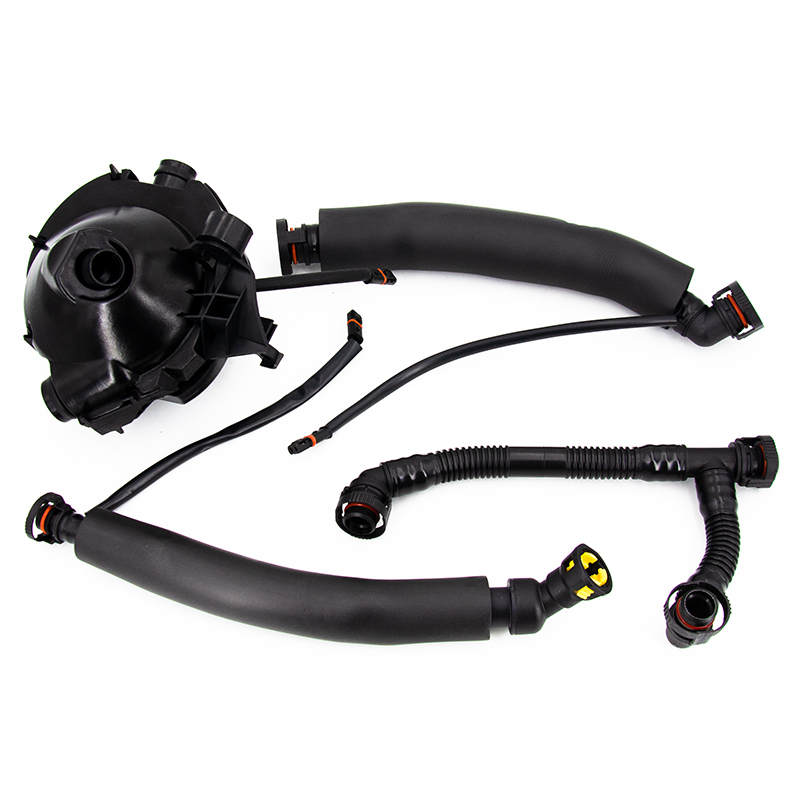
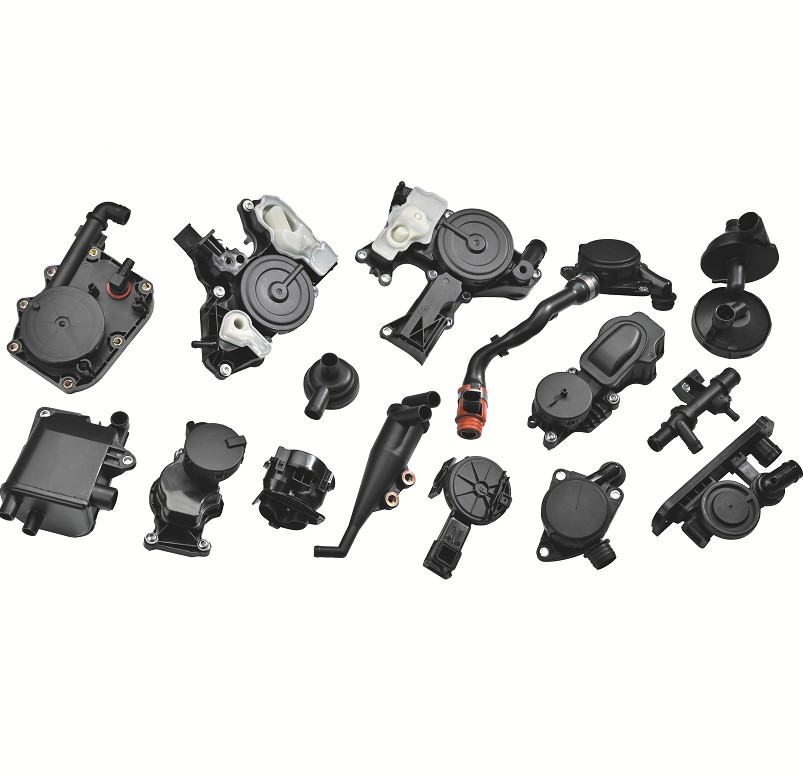
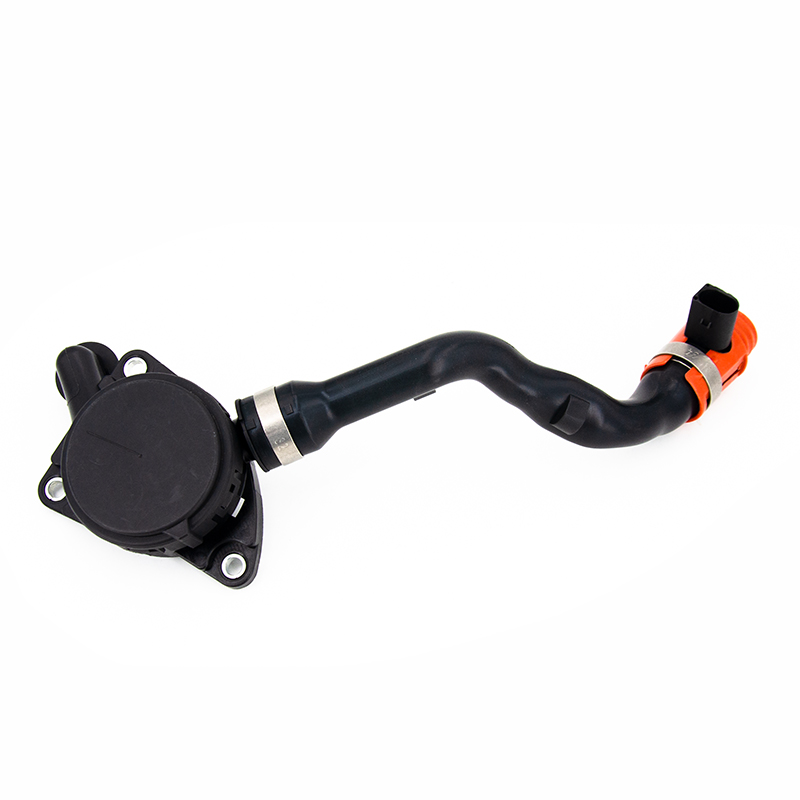
In modern automotive engine systems, the PCV hose (Positive Crankcase Ventilation) is an often overlooked but crucial component. It's responsible for guiding exhaust gases generated in the crankcase back to the intake manifold for secondary combustion, thereby reducing emissions and keeping the engine interior clean.
Content
- 1 PCV Hose: Small Component, Big Impact
- 2 Common Signs and Consequences of PCV Hose Damage
- 3 How to Inspect and Maintain Your PCV Hoses?
- 4 Frequently Asked Questions (FAQ)
- 5 1. What is a PCV hose?
- 6 2. What are the main consequences of a damaged PCV hose?
- 7 3. Will a damaged PCV hose cause the engine malfunction indicator lamp to illuminate?
- 8 4. Why would a PCV hose cause an oil leak?
- 9 5. How can I tell if my PCV hose is damaged?
PCV Hose: Small Component, Big Impact
The PCV system was originally designed to address the problem of high-pressure gases (also known as "blow-by") generated in the crankcase during engine operation. If these exhaust gases cannot be expelled in time, it can lead to the following problems:
Oil Seal and Gasket Damage: High-pressure gases may rupture oil seals and gaskets, causing oil leaks.
Oil Contamination: Moisture and unburned fuel in the exhaust gases can contaminate the engine oil, accelerating its deterioration.
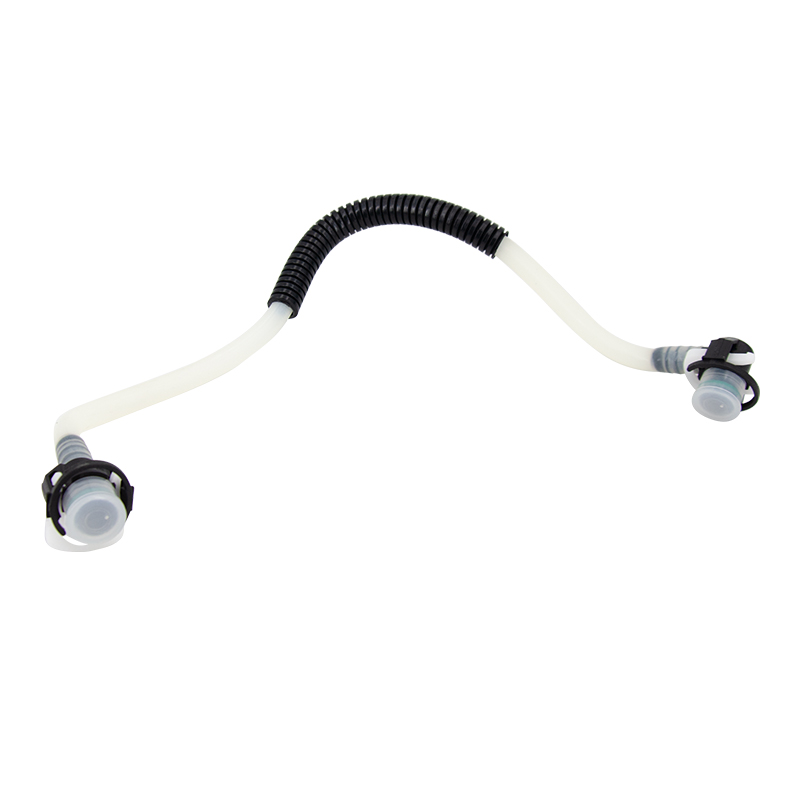
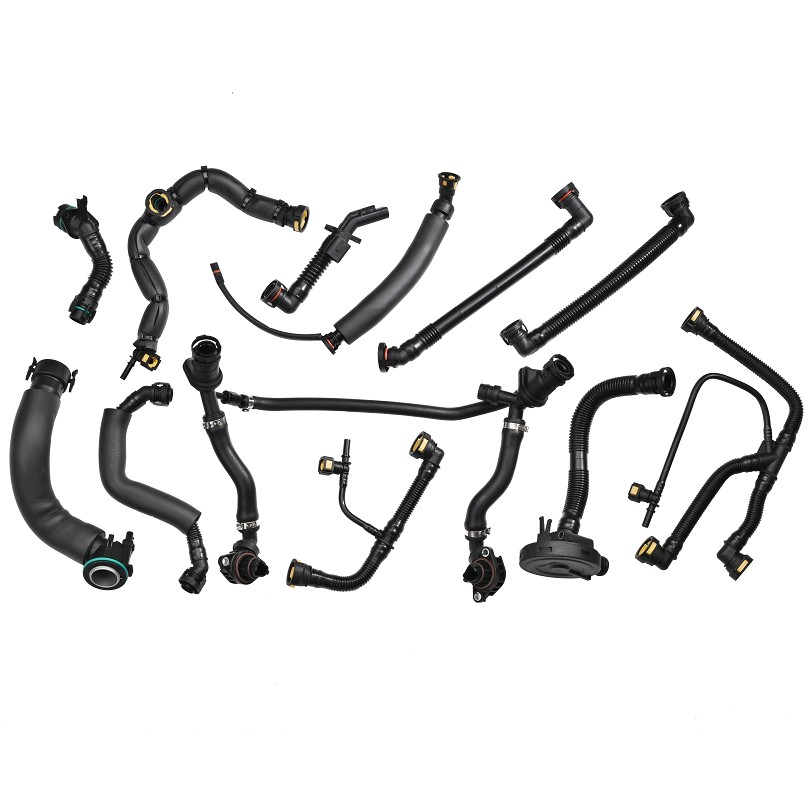
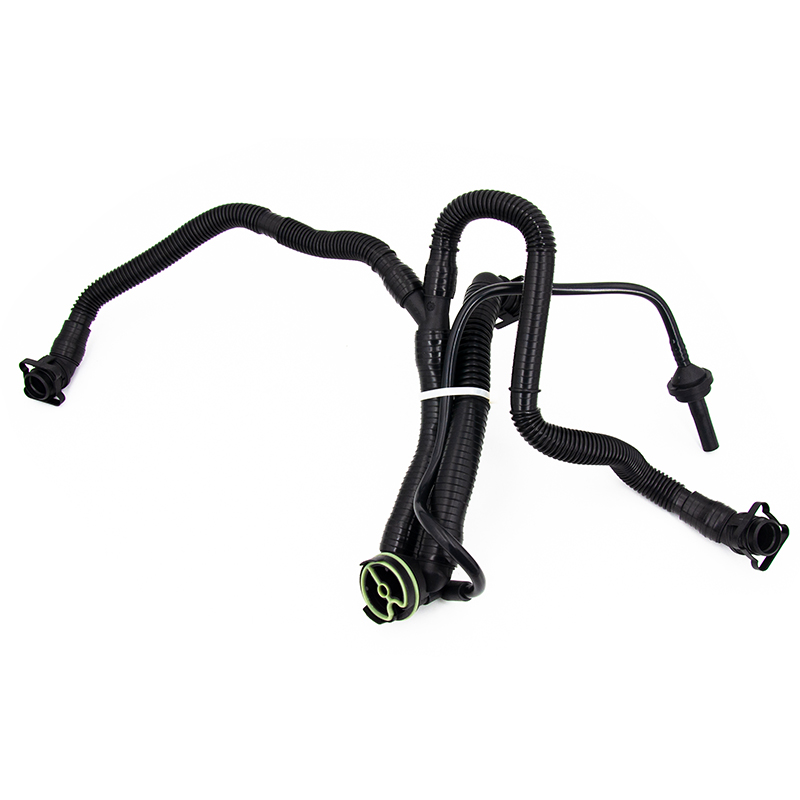
The PCV hose is the key passage connecting the crankcase and the intake manifold. Its material is typically oil-resistant and heat-resistant rubber or plastic, ensuring the smooth flow of exhaust gases.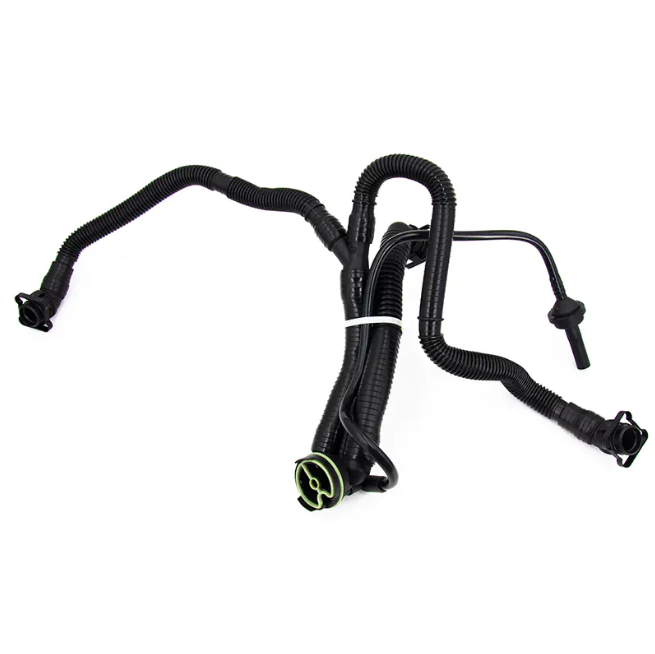
Common Signs and Consequences of PCV Hose Damage
Due to prolonged exposure to high temperatures, oil, and chemicals, PCV hoses are prone to aging, hardening, cracking, or breakage, and may even become clogged. Once a PCV hose is damaged, the following problems will occur:
1. Decreased Engine Performance and Unstable Idle Speed
When a PCV hose cracks or breaks, it can cause leaks in the intake system, creating a "vacuum leak." This allows unmeasured air to enter the engine, causing an imbalance in the air-fuel ratio. The ECU (Engine Control Unit) cannot accurately adjust the fuel injection, resulting in:
Unstable Idle Speed: The vehicle's engine speed fluctuates greatly at idle, and it may even stall.
Weak Acceleration: The vehicle's acceleration is sluggish, and the power feels less than before.
2. Abnormally Increased Oil Consumption
A damaged or clogged PCV hose can lead to abnormal pressure in the crankcase.
Hose Damage (Vacuum Leak): A large vacuum may draw in additional oil vapor, which enters the combustion chamber directly and burns, increasing oil consumption.
3. Hose Blockage (Excessive Pressure)
Unreleased high crankcase pressure can force engine oil to leak through seals (such as valve cover gaskets) and may also force oil into the intake manifold, causing oil leaks.
4. Exhaust Odor and Excessive Emissions
The PCV system is directly related to vehicle emissions control. Damaged hoses lead to improper exhaust gas treatment, affecting combustion efficiency and potentially causing an oil-burning odor in the exhaust. It can also easily result in excessive emissions during annual vehicle inspections.
5. Check Engine Light Illuminated
On many modern vehicles, serious PCV hose leaks or blockages can trigger fault codes (such as those related to thin/thick systems), causing the Check Engine Light to illuminate. This is the vehicle's way of reminding you to have it checked and repaired immediately.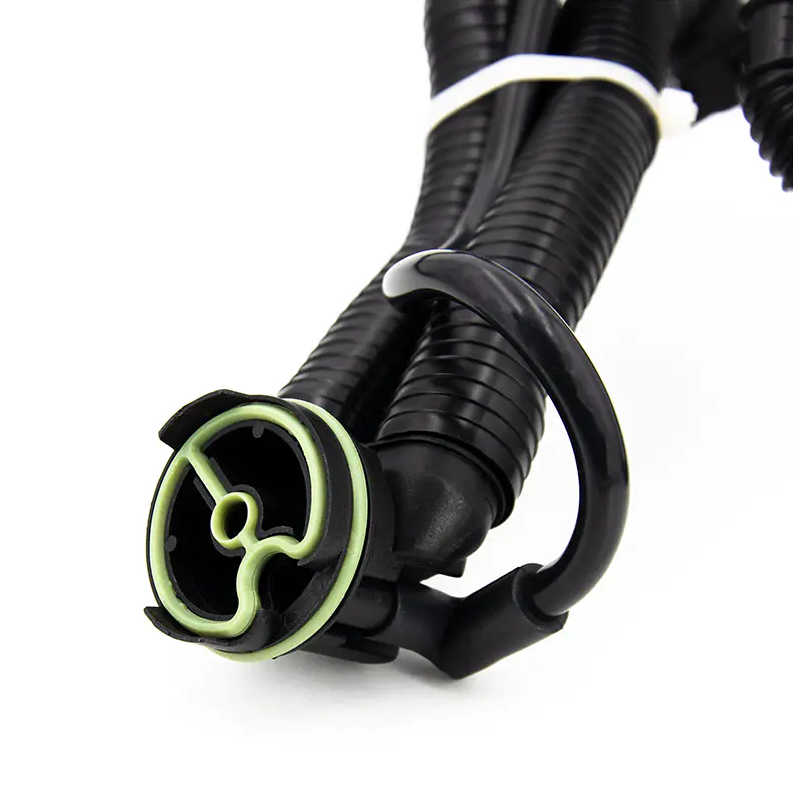
How to Inspect and Maintain Your PCV Hoses?
PCV hose maintenance is not complicated; it mainly involves regular inspections.
Visual Inspection: Inspect the PCV hose surface for visible cracks, signs of aging, or brittleness.
PCV Hoses Maintenance: Tactile Inspection: The hose should have some elasticity. If it feels abnormally stiff or sticky, it needs to be replaced.
Listening Inspection: With the engine idling, try listening for a hissing sound near the PCV hose.
If a damaged PCV hose is found, it is recommended to replace it immediately. Because this is an important engine ventilation hose, using genuine or reliable parts is crucial to ensure its durability and sealing.
Frequently Asked Questions (FAQ)
1. What is a PCV hose?
A: A PCV hose (Crankcase ventilation system hose) is a pipe connecting the engine crankcase and intake manifold, used to guide crankcase exhaust gases back to the combustion chamber.
2. What are the main consequences of a damaged PCV hose?
A: The main consequences include intake system leaks, leading to unstable idling, decreased engine performance, and abnormally increased oil consumption or oil leaks.
3. Will a damaged PCV hose cause the engine malfunction indicator lamp to illuminate?
A: Yes, a serious PCV hose leak or blockage can trigger a fault code, causing the Check Engine Light to illuminate.
4. Why would a PCV hose cause an oil leak?
A: If the PCV hose is blocked, it can cause excessive pressure in the crankcase. This high pressure forces oil to leak through the oil seals and gaskets.
5. How can I tell if my PCV hose is damaged?
A: You can perform a visual inspection (look for cracks/aging) and an auditory inspection (listen for a hissing sound when the engine is idling).