English
 русский
 Español
 Deutsch
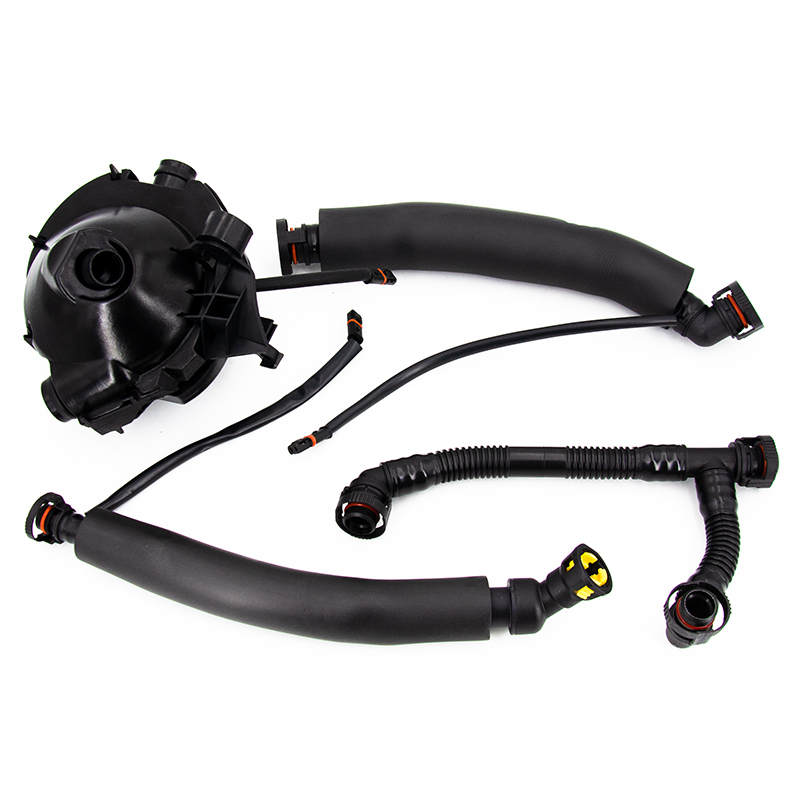
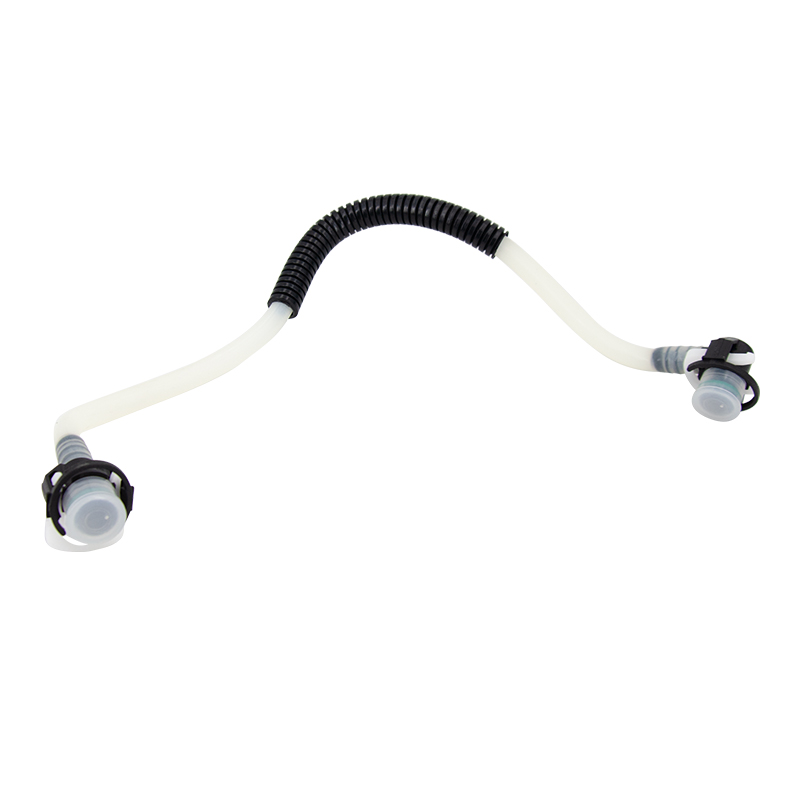
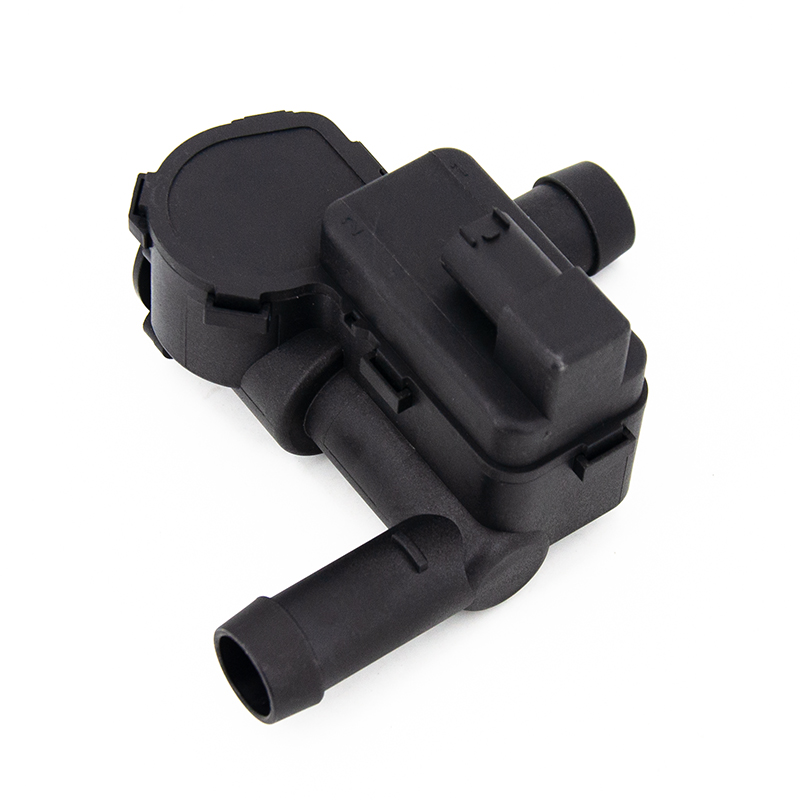
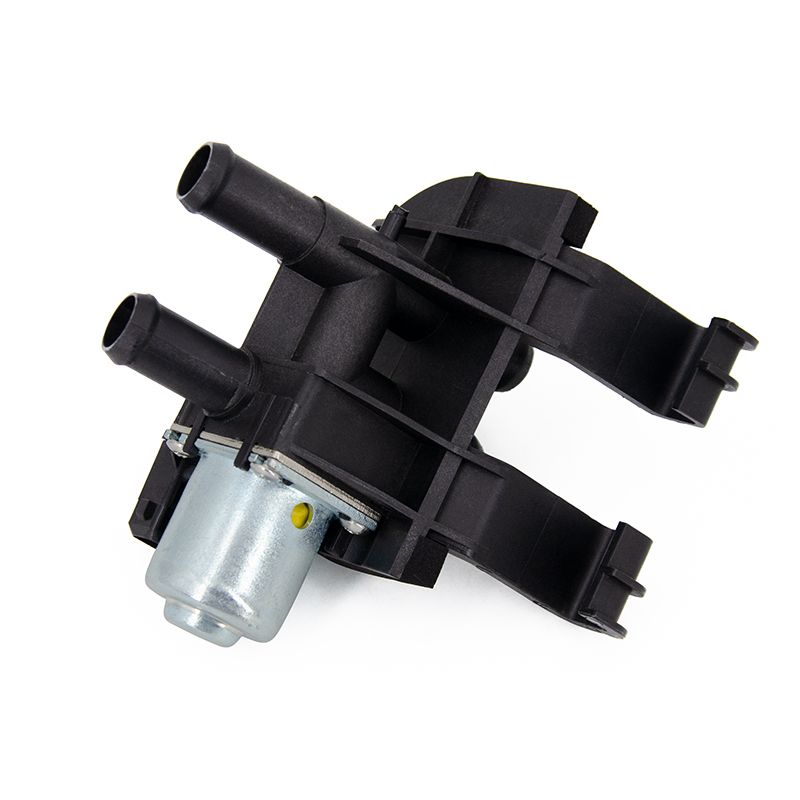
At the heart of a car engine, Coolant Pipe (also often called water hoses) play a crucial role. They are the key channels in the car's cooling system that deliver coolant, ensuring the engine operates at its optimal temperature and preventing serious damage from overheating.
Coolant Pipe are typically made of flexible and heat-resistant rubber, but over time and under continuous high temperature and pressure, these rubber hoses will gradually age, harden, and may even crack, swell, or leak. Once Coolant Pipe fail, it will not only cause coolant leaks and a rapid rise in engine temperature, but may also trigger emergencies such as overheating, seriously endangering driving safety and engine health.
The answer is yes: Coolant Pipe are replaceable!
Regarding the user's question, "Can Coolant Pipe be replaced?", the answer is: absolutely, and they must be replaced promptly when they malfunction or reach the end of their service life.
Replacing Coolant Pipe is a routine part of car maintenance. Generally, car manufacturers recommend inspecting the rubber components of the cooling system every mileage or year (e.g., every 4 to 5 years) and repairing or replacing them when signs of aging are found.
Content
Identifying Signs of Need for Replacement
Car owners can determine if Coolant Pipe need replacement by looking for the following signs:
- Visual Inspection: Observe the surface of the hoses for cracks, bubbles, excessive expansion, or discoloration.
- Tactile Inspection: Under normal circumstances, Coolant Pipe should maintain a certain degree of elasticity. If they feel abnormally stiff, brittle, or very soft to the touch, this indicates that the rubber has aged.
- Signs of Leakage: Find pink, green, or orange coolant stains at the hose joints or along the hose itself.
- Abnormal Coolant Consumption: If the coolant level continues to drop without a visible leak, it may be due to tiny cracks leaking under high pressure.
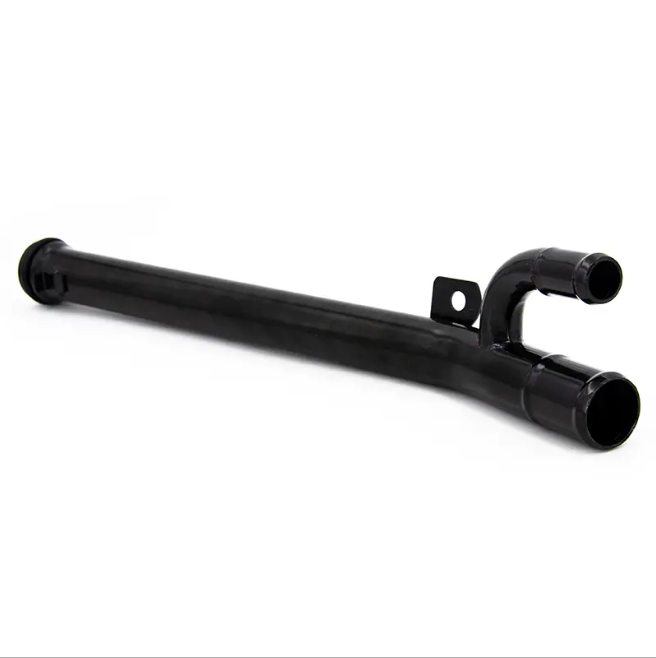
Replacing Coolant Hose: The process and precautions
Replacing Coolant Pipe is not complicated, but it requires some professional knowledge and tools. It is recommended that car owners have this done at a professional auto repair shop.
- Preparation: Ensure the engine is completely cooled to prevent burns.
- Bleeding the Old Coolant: Carefully drain the old coolant.
- Removal and Installation: Remove the old Coolant Pipe and their clamps, then install new, high-quality hoses and clamps.
- Adding and Bleeding: Refill with new coolant and bleed the system (remove air) to ensure no air bubbles remain. Air bubbles can impede coolant circulation and cause localized overheating.
- Running and Inspection: Start the engine to operating temperature and check the new Coolant Pipe and all connections for leaks.
Expert Tip: When replacing an aging hose, it is recommended to also check and replace other similarly aging rubber components nearby, such as heater hoses, to prevent new problems in the short term. Using genuine or high-quality parts that match your vehicle model is crucial for ensuring the reliability of the cooling system.
Regular maintenance and inspection are key to ensuring the longevity of your vehicle. If your car exhibits any abnormalities in its cooling system, check the Coolant Pipe immediately. Timely replacement is not only a repair but also an important protection for the engine. If you are unsure how to proceed, please consult a professional auto mechanic.
Frequently Asked Questions (FAQ)
Q1: What is the main function of Coolant Pipe?
A: Coolant Pipe are crucial channels in a car's cooling system for delivering coolant. Their main function is to ensure the coolant circulates effectively, carrying away heat generated by the engine and keeping it at its optimal operating temperature to prevent overheating.
Q2: How often should Coolant Pipe be replaced?
A: There is no fixed replacement cycle for Coolant Pipe, but as rubber components, they will age over time. Car manufacturers typically recommend an inspection every 4 to 5 years. Replace them immediately if any signs of aging are found, such as cracks, bulging, hardening, or leaks.
Q3: What precautions should be taken when replacing Coolant Pipe?
A: The most important precautions are:
- Cooling: Ensure the engine is completely cooled before starting to prevent burns.
- Parts: Use high-quality or genuine parts and replace the clamps with new ones.
- Bleeding: After refilling coolant, a thorough bleed operation must be performed to ensure no air remains in the cooling system.