English
 русский
 Español
 Deutsch
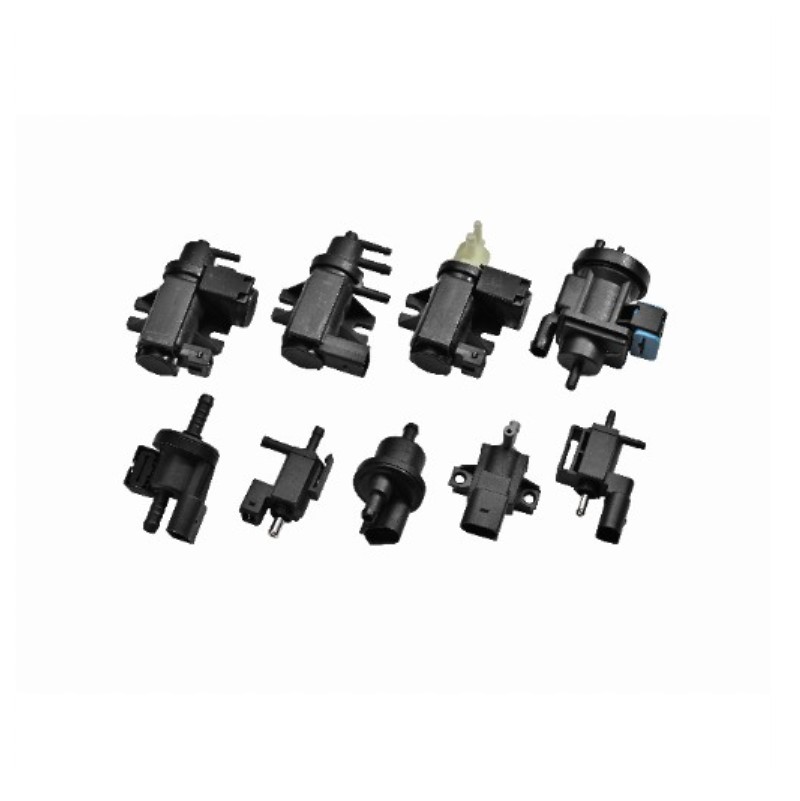
The main function of Solenoid Valves in vehicles is to control the on/off state and flow of gases or liquids, enabling automated system control. As one of the core actuators in modern automotive electronic control systems, solenoid valves use electrical signals to control mechanical actions. They are widely applied in engine systems, transmission systems, braking systems, air-conditioning systems, and fuel systems, playing a critical role in overall vehicle performance, safety, and energy efficiency.
Content
Core functions of solenoid valves in automotive systems
The essential function of a Solenoid Valve is that of an “electrically controlled fluid controller.” When the electromagnetic coil is energized, it generates magnetic force that drives the valve core to move, enabling the opening, closing, or switching of the working medium (gas or liquid).
In vehicles, solenoid valves mainly perform the following functions: Control fluid on/off、Regulate pressure and flow、Switch oil or air flow paths、Enable automated system operation.
Applications of solenoid valves in key automotive systems
Engine system
Solenoid valves are important actuators for achieving precision control.
Transmission system
Solenoid valves are the core components of gear-shifting control. Main functions: Control hydraulic circuit switching、Precisely regulate oil pressure、Control shift timing and logic.
Braking system
Solenoid valves are used to regulate brake fluid pressure. Core functions: Prevent wheel lock-up、Maintain tire-road adhesion、Improve vehicle stability.
Air-conditioning and thermal management systems
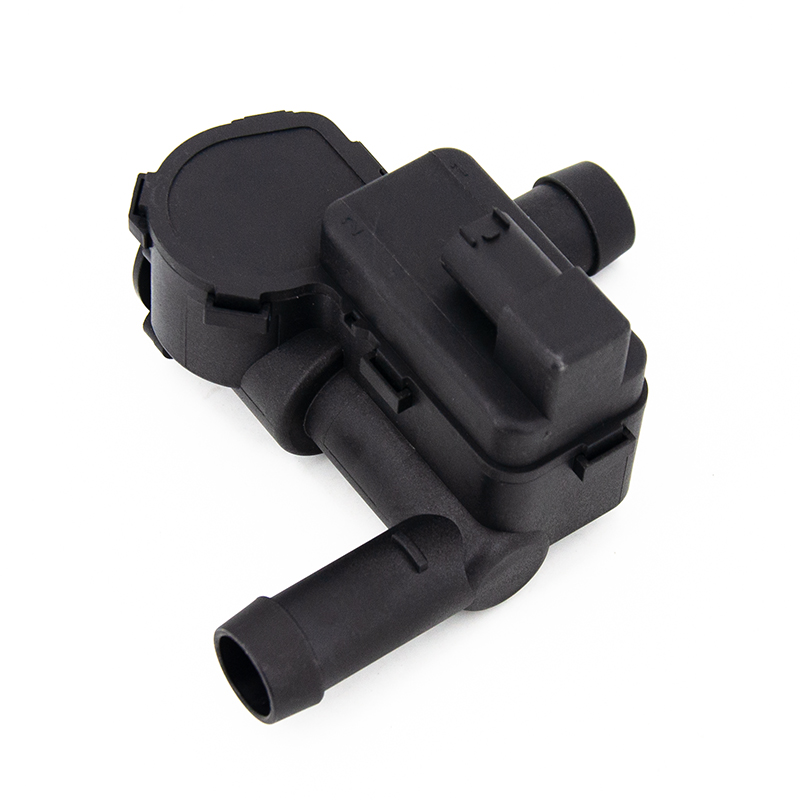
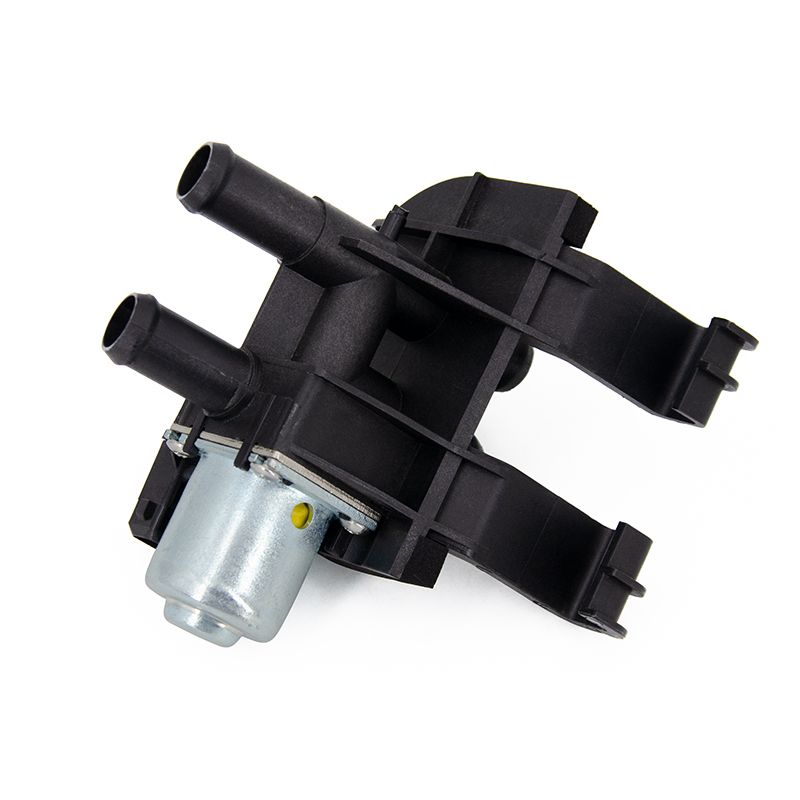
Solenoid valves control the flow direction of refrigerant: Switch refrigeration circuits、Regulate refrigerant flow、Enable multi-zone temperature control.
In new energy vehicles, solenoid valves are more widely used in battery thermal management systems, ensuring stable battery operating temperatures and improving driving range and safety.
Fuel and energy systems
Solenoid Valves are mainly used for fuel control and safety protection: Control fuel injection on/off、Prevent fuel backflow、Enable safe isolation of the fuel system.
In new energy hybrid vehicles, solenoid valves also serve as energy system switching control functions.
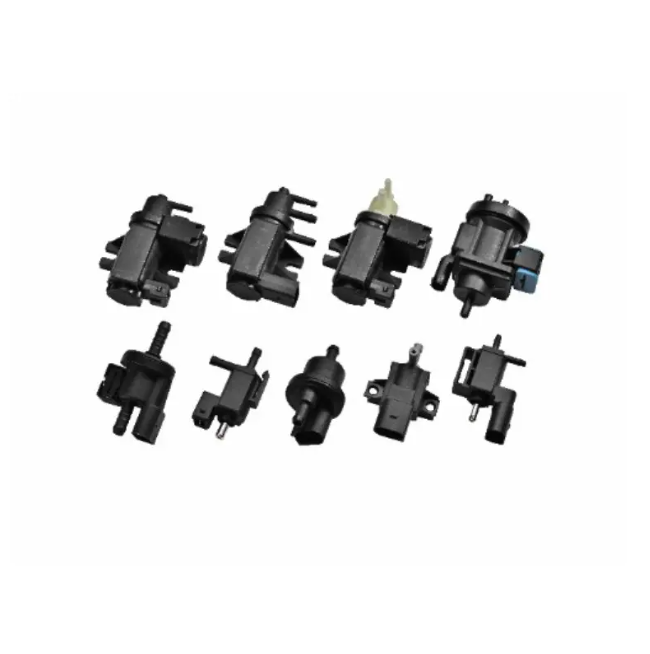
Common types of automotive solenoid valves
Common automotive solenoid valves include fuel solenoid valves, transmission solenoid valves, brake solenoid valves (ABS/ESP), air-conditioning solenoid valves, and thermal management solenoid valves for electric vehicles.
| Type | Application System | Function Description |
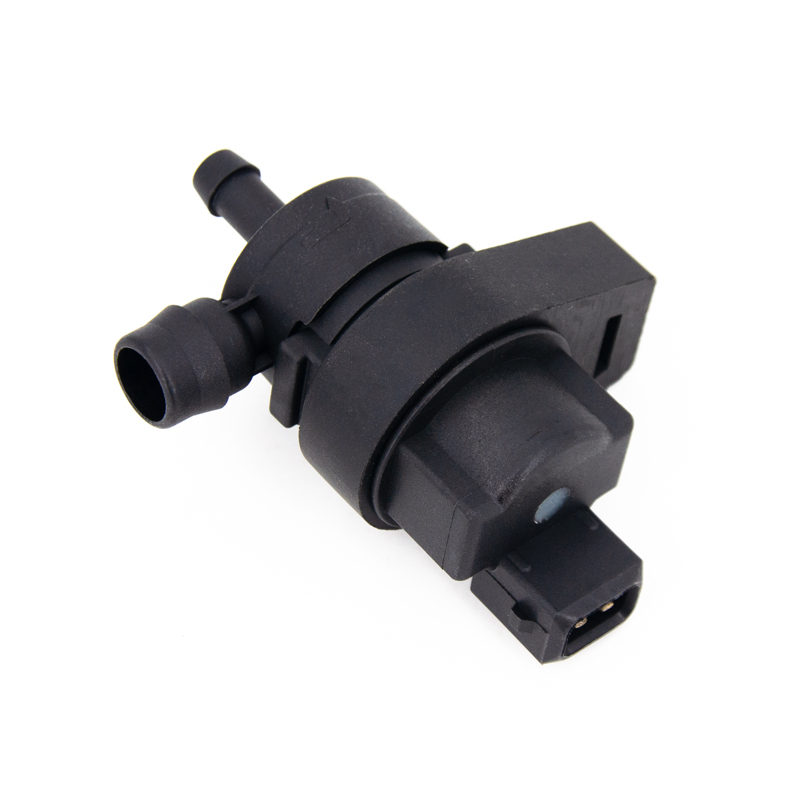
| Canister purge solenoid valve | Emission control system | Controls fuel vapor recovery |
| VVT solenoid valve | Engine system | Controls valve timing (Variable Valve Timing) |
| Shift solenoid valve | Transmission system | Controls hydraulic gear shifting |
| ABS solenoid valve | Braking system | Regulates braking force |
| A/C solenoid valve | Air-conditioning system | Controls refrigerant flow |
Typical problems caused by solenoid valve failure
When a solenoid valve malfunctions, common symptoms include engine vibration, power loss, abnormal increase in fuel consumption, harsh or jerky gear shifting, abnormal air-conditioning cooling performance, and brake system warning alerts.
Automotive solenoid valves are key actuators in modern intelligent vehicle control systems. Through electrical control, they precisely manage the flow of gases and liquids, enabling: More efficient engine operation、Smoother transmission performance、Safer braking systems、More energy-efficient air-conditioning systems.
With the continuous advancement of vehicle electrification and intelligence, the application scope of solenoid valves will keep expanding. From traditional fuel vehicles to new energy vehicles (NEVs) and electric vehicles (EVs), their importance will continue to grow and strengthen.