English
 русский
 Español
 Deutsch
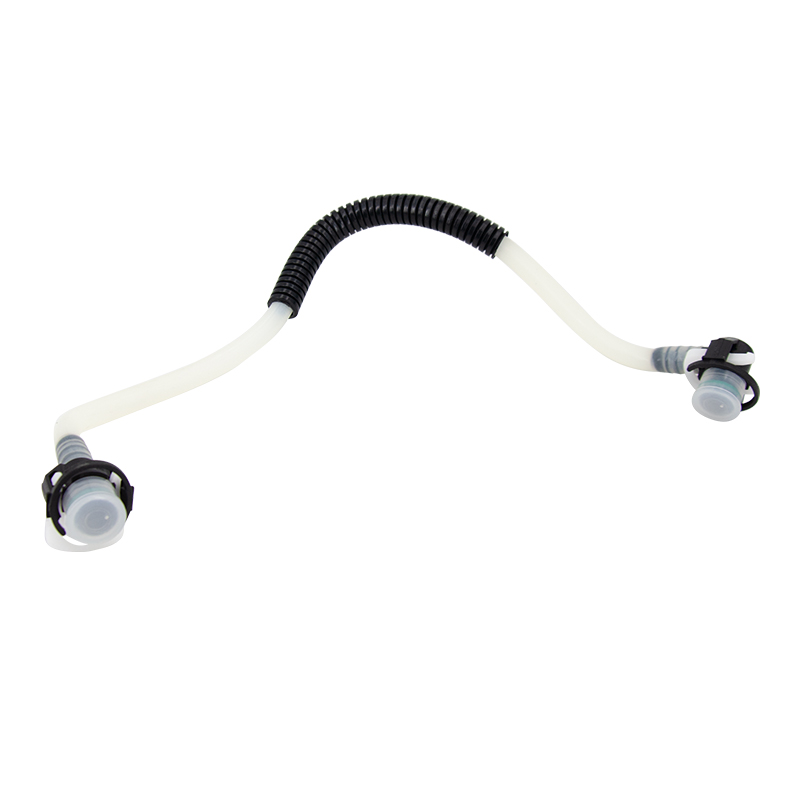
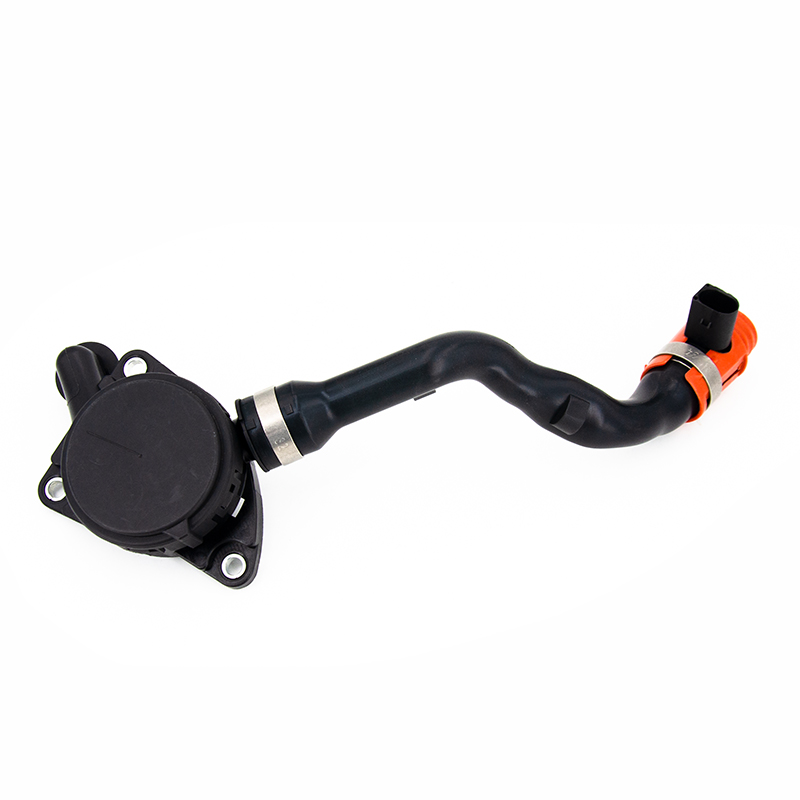
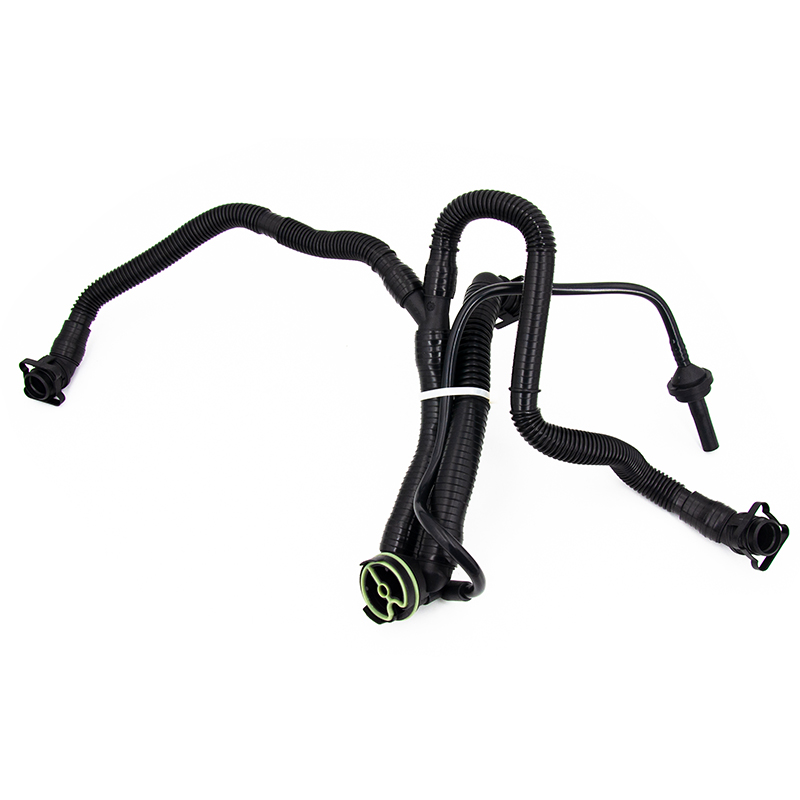
In the fuel supply system of a diesel engine, the fuel return line plays a crucial role in regulating pressure and dissipating heat. Simply put, the amount of fuel supplied by the diesel pump is usually far greater than the amount actually needed for combustion. The fuel return line is designed to return the excess high-pressure fuel to the fuel tank, thereby automatically relieving pressure in the system, cooling the precision parts of the injectors, and simultaneously removing air from the fuel lines. Without this pipe, the injection system would be damaged due to excessive pressure, or air bubbles would form due to excessively high fuel temperature, directly affecting the engine's power output and lifespan.
Content
In-depth analysis of the core functions of the fuel return line
As a key channel in the diesel engine fuel circulation, the function of the fuel return line is far more complex than imagined:
- Precise pressure relief and stabilization: High-pressure common rail or distribution pumps continuously supply high-pressure fuel, but the engine load is constantly changing. The fuel return line, in conjunction with the overflow valve, promptly returns the unused fuel from the combustion chamber, ensuring that the pressure in the fuel line remains within a constant optimal range, preventing inaccurate fuel injection due to pressure fluctuations.
- The injector's "coolant": Injectors generate extremely high heat during operation. As fuel flows through the injector, it absorbs the heat generated by the friction of the needle valve and its moving parts. This heated fuel flows back to the fuel tank through the fuel return line to cool down, effectively preventing carbon deposits or seizing of the injector due to high temperatures.
- Automatic air removal function: Air bubbles are the biggest enemy of diesel systems. During the circulation process, the fuel return line carries tiny air bubbles back to the fuel tank, ensuring that every drop of fuel entering the combustion chamber is pure liquid, guaranteeing stable idling and smooth starting.
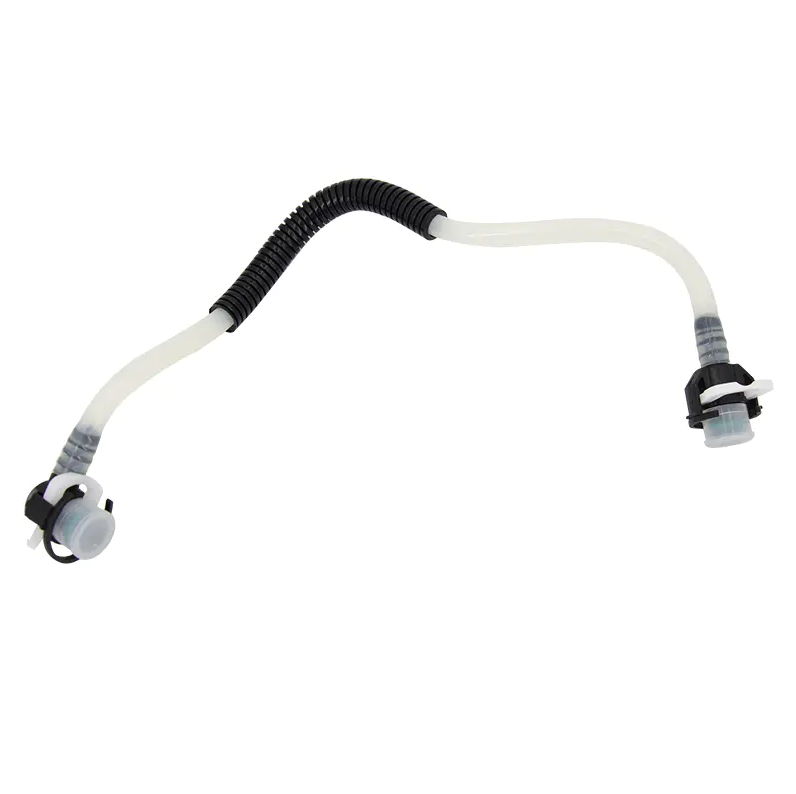
What happens if the fuel return line malfunctions?
Once the fuel return line is blocked, aged, or leaks, the engine will immediately exhibit the following symptoms:
- Unstable idling and shaking: Restricted fuel return will increase the back pressure of the fuel injection, disrupting the balance of fuel supply to each cylinder.
- Difficulty starting or frequent stalling: If the fuel return line connection is not properly sealed, air can enter the fuel supply system, causing a "stroke" in the fuel line.
- Reduced power and abnormal fuel consumption: Poor fuel return flow can interfere with the atomization effect of the fuel injectors, leading to decreased combustion efficiency.
Maintenance suggestions: Extending the lifespan of the fuel return line
- Check for material aging: Due to the elevated temperature of the return fuel, rubber fuel return lines are prone to hardening or cracking after prolonged use and should be replaced regularly.
- Avoid crushing the pipeline: When repairing other components, avoid heavy objects pressing on the fuel return line. Even a slight reduction in pipe diameter can alter the return pressure and affect system performance.
- Ensure airtightness of the connections: Regularly inspect the fuel return line connection bolts and gaskets to prevent fuel waste and safety hazards caused by minor leaks.
The fuel return line is not only the "return path" for fuel flow, but also the "lifeline" for pressure control, cooling, and exhaust in diesel engines. Maintaining the unobstructed flow and airtightness of this pipeline is fundamental to ensuring efficient and long-lasting engine operation.