English
 русский
 Español
 Deutsch
For every car owner, regularly changing the engine oil is common sense in car maintenance, but many people often overlook a crucial component that works alongside it—the oil filter. As the "gatekeeper" of the engine lubrication system, a high-quality oil filter effectively filters sludge, metal shavings, and carbon particles, ensuring a long-lasting and powerful engine.
Content
1. Understanding the Core Functions of an Oil Filter
The main function of an oil filter is to remove impurities from the engine oil. During engine operation, metal shavings from the wear of internal parts, dust from the atmosphere, and gum deposits from oil oxidation all enter the engine oil.
Full-flow Filtration: Most passenger cars currently use a full-flow design, meaning all engine oil entering the lubrication system must pass through the filter.
Core Components: High-quality filter paper (filter media) and a robust housing are the standards for judging the quality of an oil filter.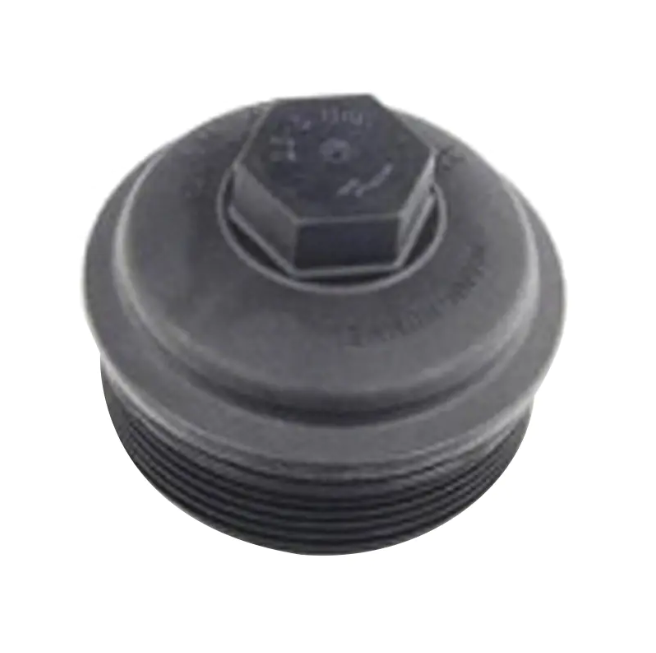
2. Key Indicators for Choosing an Oil Filter
When purchasing an oil filter, don't just focus on price; pay attention to the following technical parameters:
Filtration Accuracy and Efficiency
A good oil filter needs to strike a balance between filtration capacity and flowability. If the filter pores are too small, although it filters cleanly, it may lead to insufficient oil pressure; if the pores are too large, it cannot protect delicate parts.
Bypass Valve
This is a crucial safety design. When the filter element is severely clogged or the oil viscosity is too high in winter, the bypass valve opens, allowing oil to circulate directly without a flow path, preventing dry friction in the engine.
Anti-Drainback Valve
This prevents oil from flowing back to the oil pan after the vehicle is turned off. This allows the oil to reach the lubrication points instantly upon the next start, reducing wear caused by cold starts.
3. Common Types of Oil Filters
Depending on the vehicle model, you will typically encounter the following two types:
Spin-on filter: The most common type, with the housing and filter element integrated. Replacement is achieved by simply unscrewing the entire unit. It offers good sealing.
Paper filter: Contains only an internal filter element and is usually installed in the engine's built-in filter housing. It is more environmentally friendly and lower in cost.
4. Purchase Advice and Common Misconceptions
Match Original Equipment Manufacturer (OEM) Specifications: Before purchasing, please consult your vehicle's manual to confirm the part number. Even if they look similar, the thread specifications and sealing ring diameter may differ.
Beware of Inferior Products: Inferior oil filters often use low-grade filter paper, which is prone to cracking or clogging, and can even lead to engine failure.
Replace Simultaneously: It is recommended to replace the oil filter every time you change to fully synthetic or semi-synthetic oil.
Choosing the right oil filter is the most cost-effective and efficient way to protect your engine. A high-quality filter not only extends the life of the oil but also improves driving smoothness.