English
 русский
 Español
 Deutsch
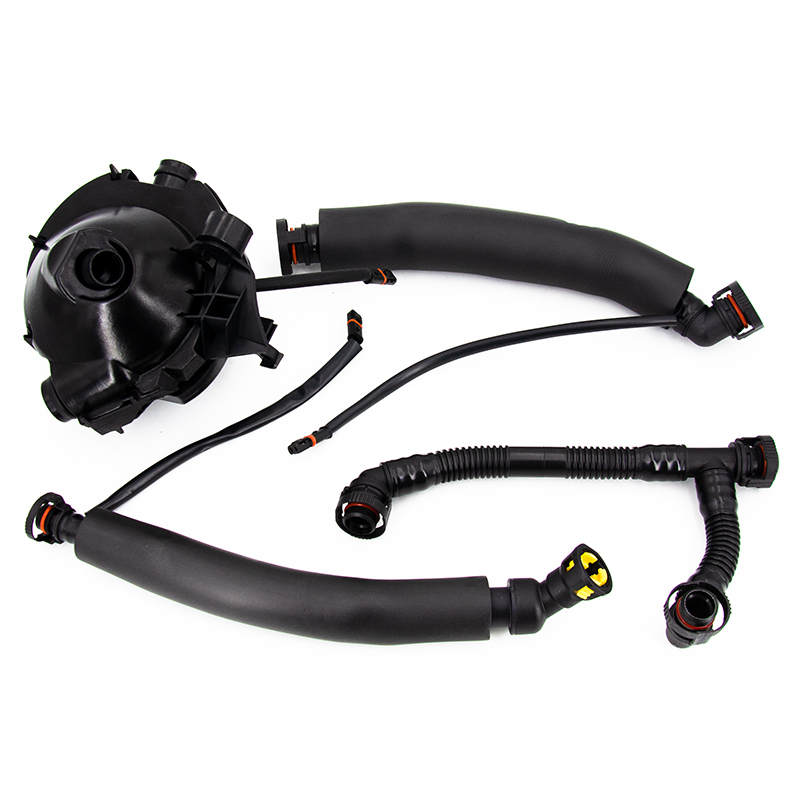
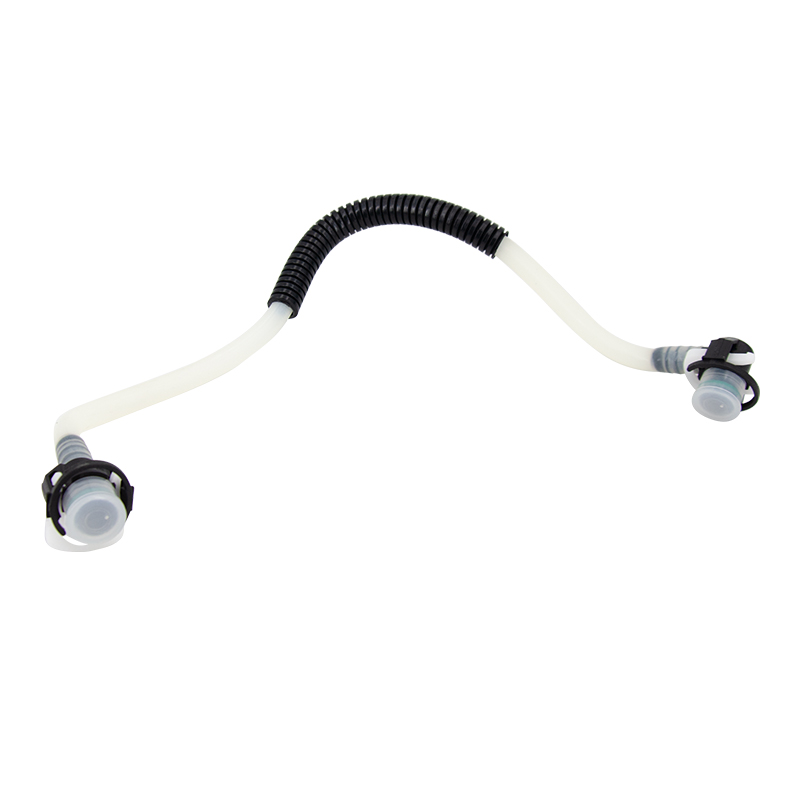
In routine car maintenance, owners often focus on engine oil, spark plugs, or brake pads, but frequently overlook a crucial "breathing" component—the Air Intake Hose. As an important part of the engine's intake system, the performance of the Air Intake Hose directly affects power output and fuel economy.
Content
I. The Core Function of the Air Intake Hose
The Air Intake Hose typically connects the air filter housing and the throttle body. Its main functions can be summarized in the following three points:
1. A "pipeline" for delivering clean air
When the engine is running, it needs to draw in a large amount of air to mix with fuel for combustion. The main function of the Air Intake Hose is to precisely and smoothly guide the clean air, filtered by the air filter, into the engine cylinders.
2. Buffering and shock absorption
Because the engine generates high-frequency vibrations during operation, and the air filter is usually fixed to the vehicle frame, the Air Intake Hose is typically made of high-strength rubber or silicone, possessing good flexibility, which can effectively absorb engine vibrations and prevent the connection from breaking due to rigidity.
3. Sealing and Maintaining Pressure Balance
The intake system must maintain a high degree of sealing. The Air Intake Hose is secured with a special clamp to ensure that external dust and impurities not filtered by the intake filter do not enter the engine, while maintaining stable vacuum pressure within the intake manifold.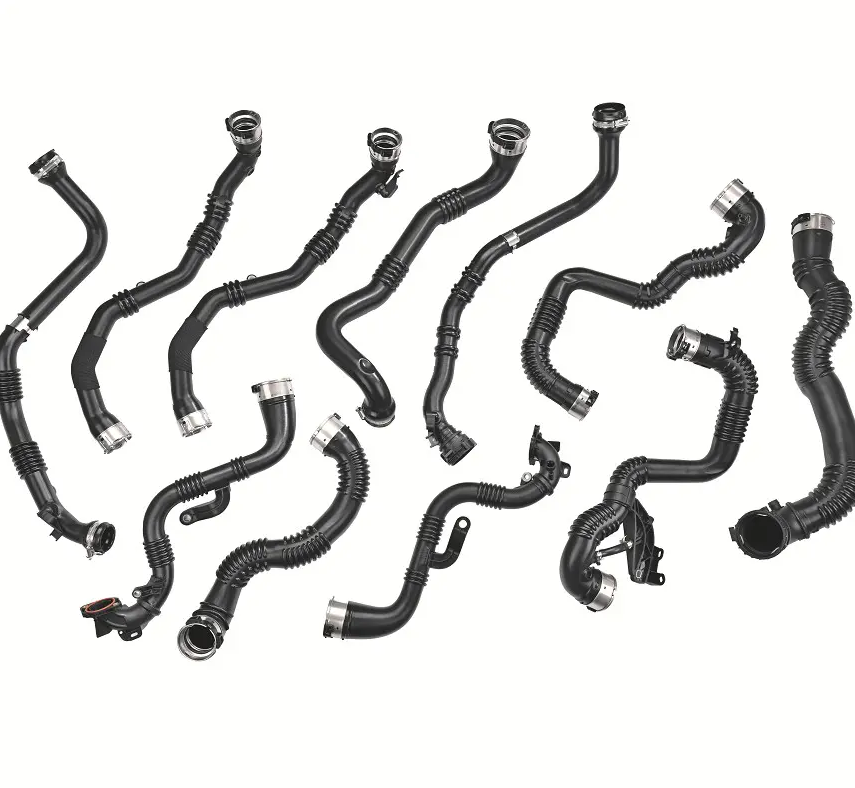
II. Common Symptoms of Air Intake Hose Damage
Due to the high temperatures in the engine compartment over extended periods, Air Intake Hoses are prone to aging, cracking, or breakage. Once this component fails, the vehicle typically exhibits the following signs:
- Unstable Engine Idling: Damage allows air to bypass the flow meter and enter the cylinders (i.e., leakage), resulting in an overly lean air-fuel mixture and causing fluctuations in engine speed.
- Abnormally Increased Fuel Consumption: Abnormal intake data causes the ECU (Engine Control Unit) to adjust fuel injection, reducing combustion efficiency.
- Slow Acceleration: Leaks disrupt intake pressure, causing sluggish vehicle response when the accelerator is pressed deeply.
- Dashboard Warning Light Illuminated: Sensors detect abnormal airflow, typically triggering the "Check Engine" warning light.
III. How to Choose and Maintain an Air Intake Hose
To extend the lifespan of your Air Intake Hose and ensure vehicle performance, we recommend the following:
- Regular Inspection: Each time you change the engine oil, check the hose surface for cracks and whether it feels hard or brittle.
- Material Selection: High-performance modified vehicles often use silicone Air Intake Hoses, which have superior high-temperature and high-pressure resistance compared to original factory rubber parts.
- Ensuring a Seale: Check that the clamps at both ends of the Air Intake Hose are tight to prevent leaks caused by loosening.
Although the Air Intake Hose may seem like just an inconspicuous rubber tube, it is crucial for ensuring the engine "breathes smoothly." Maintaining a healthy intake system not only improves the driving experience but also effectively protects the engine and reduces costly repairs later on.