English
 русский
 Español
 Deutsch
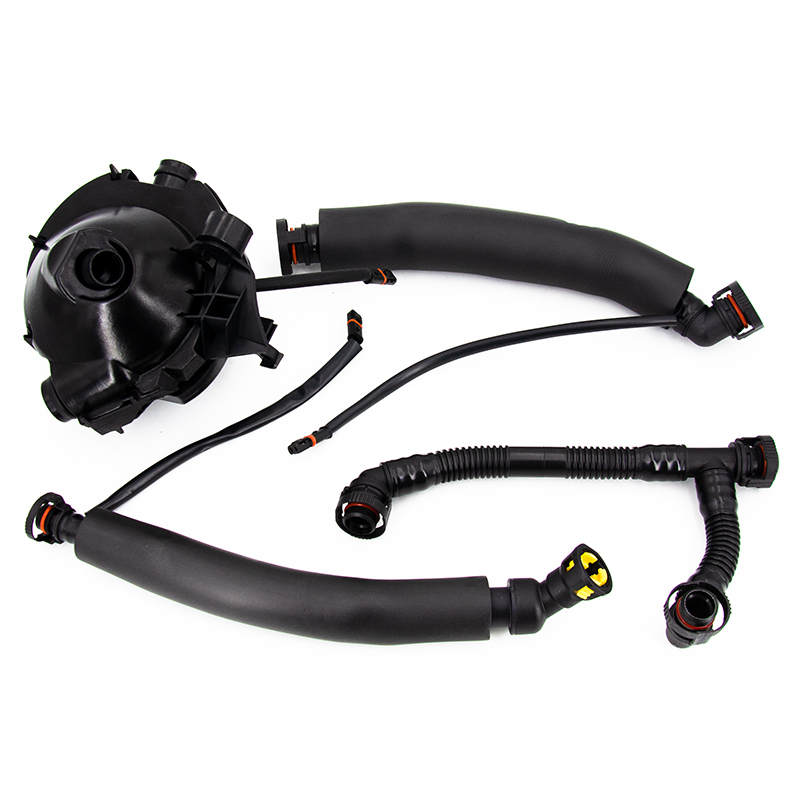
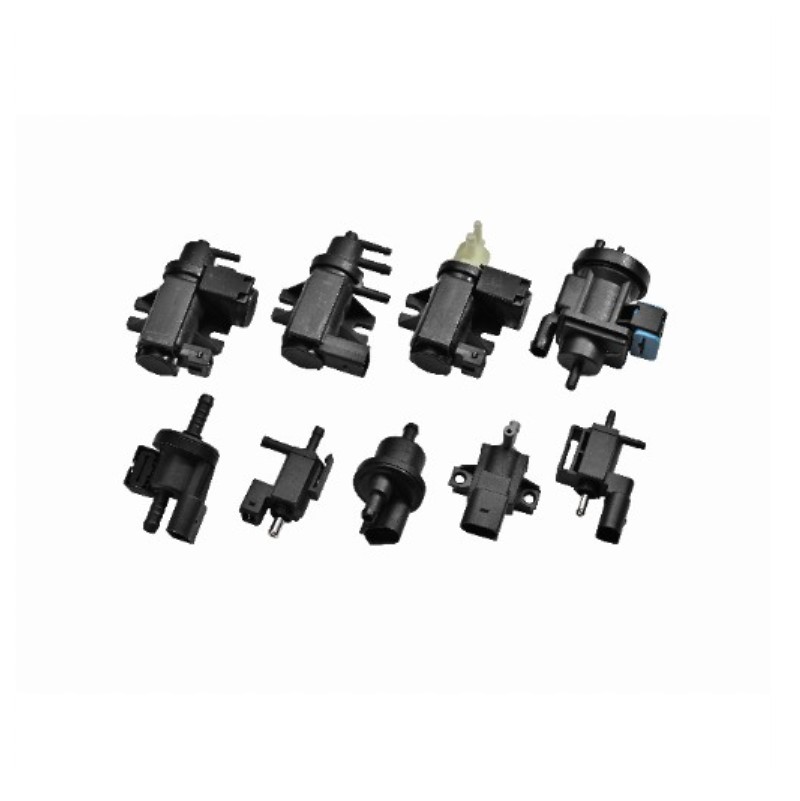
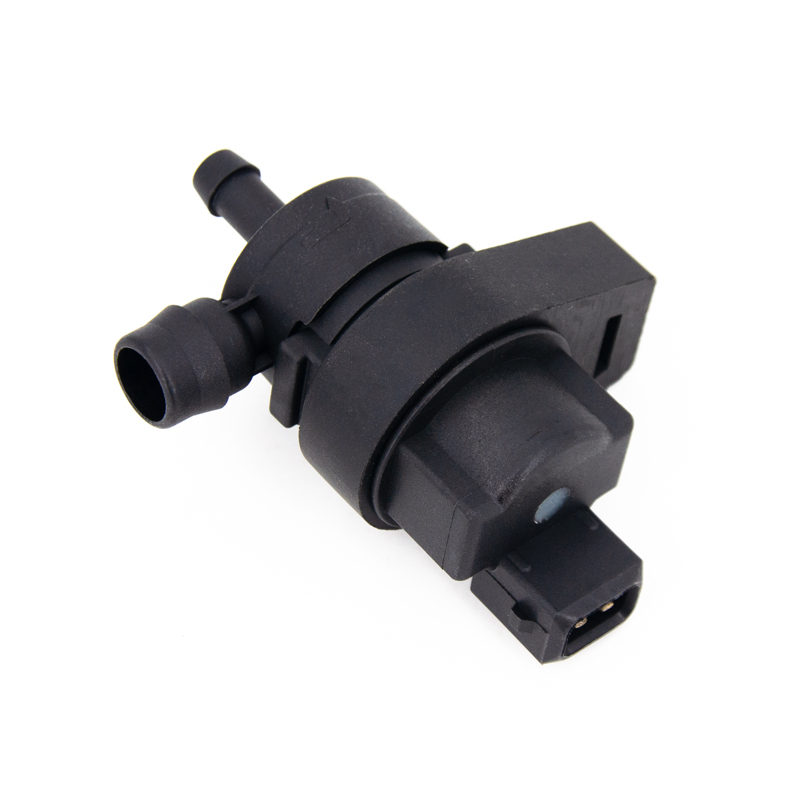
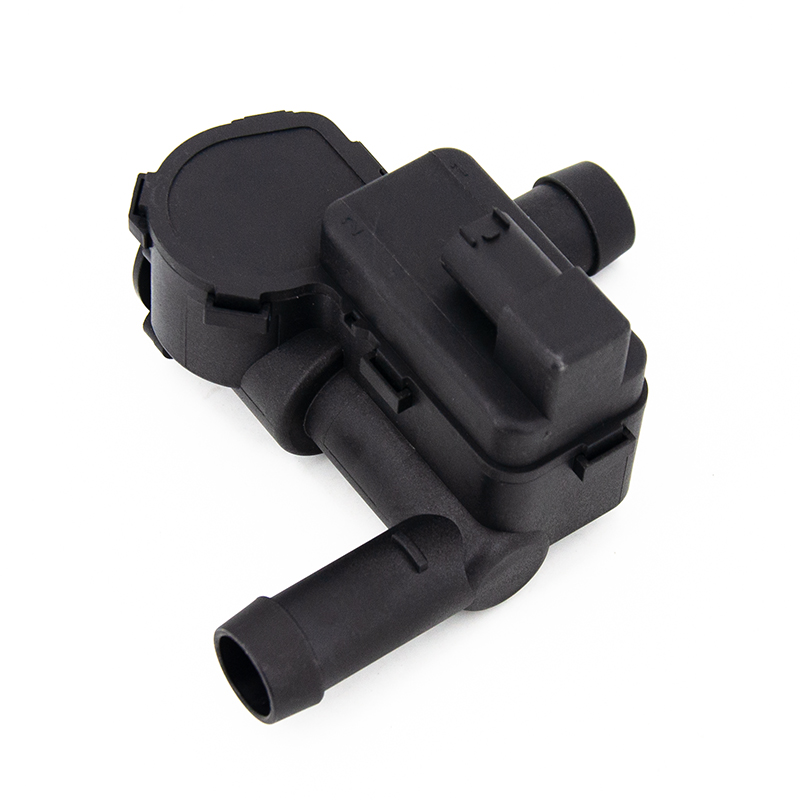
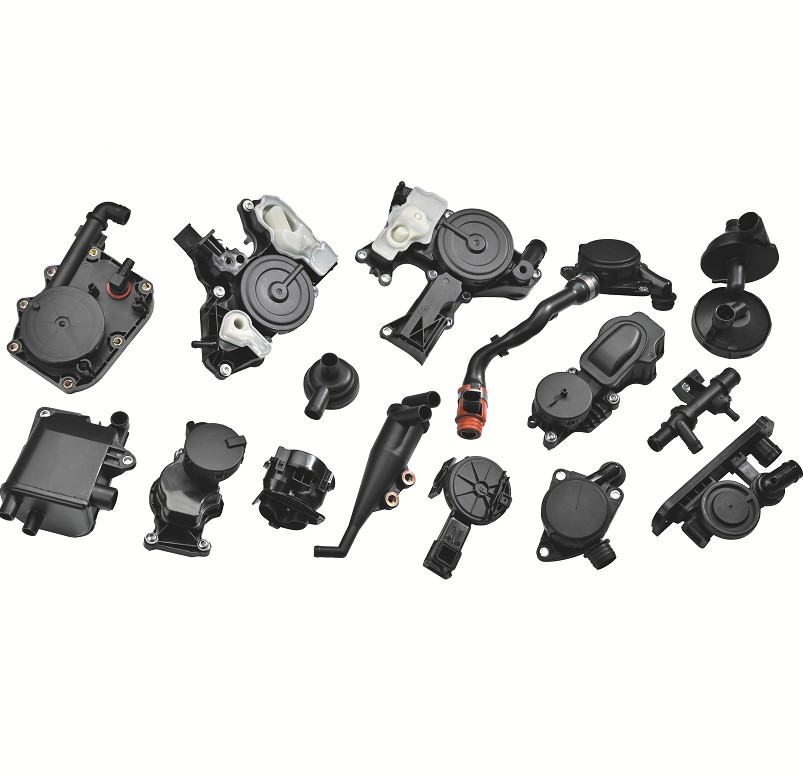
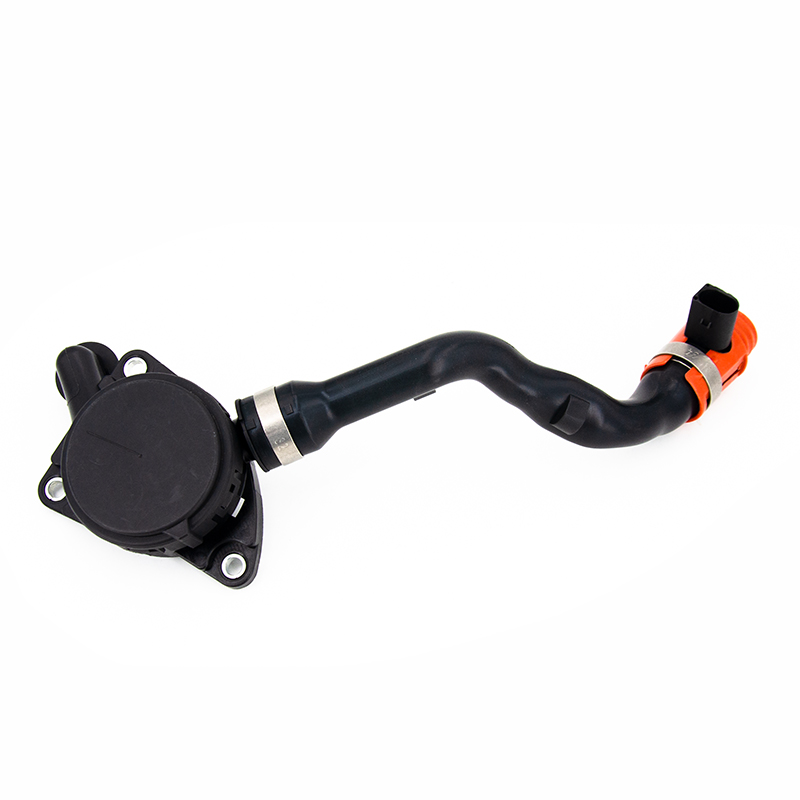
The PCV valve (Crankcase Forced Ventilation Valve) is a small but extremely critical component in the engine emission control system. Although it may seem insignificant, a malfunctioning PCV valve can trigger a series of chain reactions, from oil leaks to decreased engine performance.
Content
What is a PCV valve and how does it work?
The main function of the PCV valve is to manage "blow-by" gases produced during engine operation. When an internal combustion engine is running, some combustion gases and oil mist leak through the piston rings into the crankcase.
If not addressed promptly, these gases can cause excessive pressure inside the crankcase. The PCV valve's function is to ensure proper ventilation inside the crankcase:
- Pressure relief: It allows pressure to be released and redirected to the intake manifold for secondary combustion.
- Leak prevention: By maintaining proper pressure balance, it prevents engine oil from being "squeezed" out from seals and gaskets.
- Extending oil life: It removes moisture and contaminants from the crankcase, preventing premature oil deterioration or sludge formation.
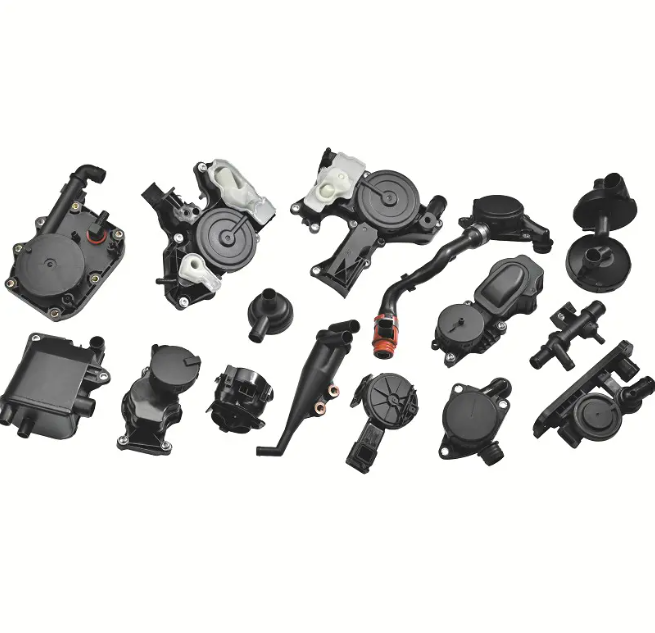
Common Signs of PCV Valve Failure
When the PCV valve fails (usually manifested as it being stuck in the open or closed position), your car will send the following signals:
1. Oil Leaks or Increased Oil Consumption
If the PCV valve is stuck in the closed position, crankcase pressure will rise rapidly. This pressure will seek out the weakest link to leak, typically causing leaks at the oil pan gasket, crankshaft oil seal, or even the valve cover gasket.
2. Unstable Engine Idling or Stalling
If the valve is stuck in the open position, too much air will enter the intake manifold, causing an "overly lean mixture." This usually manifests as engine shaking at idle or even stalling when the engine is parked.
3. Sludge and Carbon Deposits
If the PCV valve fails to ventilate properly for an extended period, moisture and combustion byproducts will mix with the engine oil, forming a sticky sludge inside the engine. This will severely wear down parts and clog lubrication channels.
4. Blue Smoke or Oil Accumulation in the Air Filter
When pressure cannot escape through the PCV valve, engine oil may be pushed back into the air filter box. If you find obvious oil stains on the air filter element, it usually indicates a problem with the ventilation system.
How to Perform a Simple Self-Test?
Before heading to a repair shop, you can try the following simple checks:
- Auscultation Method: With the engine idling, disconnect the PCV valve. You should hear a hissing sound. Block the valve opening with your finger; you should feel a strong suction.
- Shaking Method: Remove the valve and shake it. If you hear a crisp "click," the internal check ball valve moves freely; if there is no sound, the valve may be stuck due to carbon buildup.
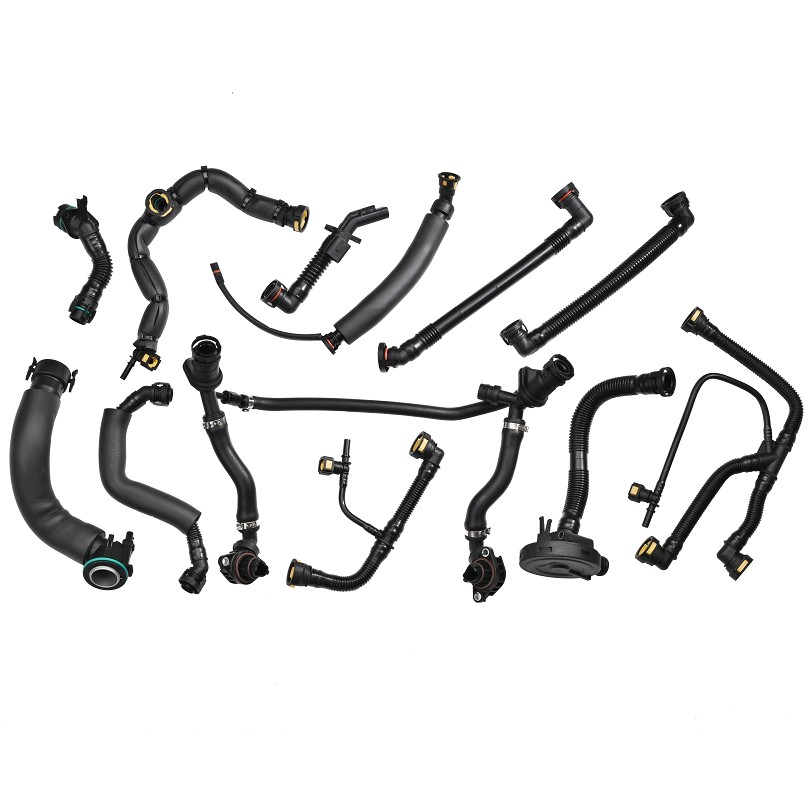
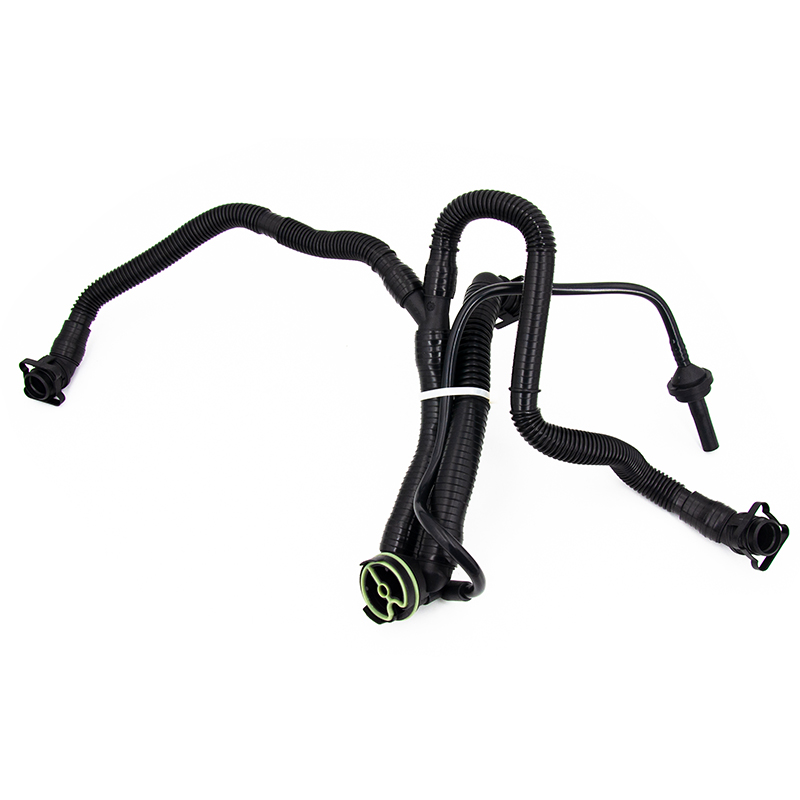
- Visual Inspection Method: Inspect the rubber hose connecting the PCV valve for cracks, collapses, or severe hardening, as these can affect ventilation.
Maintenance Recommendations
Most manufacturers recommend replacing the PCV valve every 30,000 to 50,000 kilometers. Given its extremely low cost and ease of replacement (in most vehicle models), it is a wise choice to include it as part of regular maintenance.
Keeping the PCV valve clean and efficient not only effectively reduces the risk of mechanical failure but also ensures your engine operates at optimal pressure, thereby extending its overall lifespan. Choosing a high-quality PCV valve can further improve long-term engine reliability.