English
 русский
 Español
 Deutsch
The car thermostat plays a crucial role as a "temperature gatekeeper" in maintaining the healthy operation of the engine. Although it is a small mechanical part, a malfunction can lead to serious engine damage or even engine failure.
Understanding the early signs of a malfunctioning car thermostat can not only protect your car but also save you from expensive repair costs. Here are some key symptoms that car owners should pay attention to:
Content
1. Abnormal coolant temperature gauge on the dashboard
This is the most obvious sign of a damaged car thermostat. It usually manifests in two extremes:
Overheating (boiling over)
If the thermostat is stuck in the "closed" position, the coolant cannot circulate to the radiator for cooling, causing the engine temperature to spike rapidly, even leading to smoke coming from under the hood.
Underheating (slow warm-up)
If the thermostat is stuck in the "open" position, the coolant will continuously circulate, causing the engine to fail to reach its normal operating temperature for an extended period.
2. Malfunctioning Car Heating System
You might not realize that the car's heating system is closely related to the thermostat. If the thermostat is constantly on, the coolant cannot accumulate enough heat, so in winter you might only feel cold air from the vents instead of warm air.
3. Decreased Fuel Economy
When a malfunctioning thermostat causes the engine to remain at a low temperature for extended periods, the vehicle's ECU may mistakenly believe the engine is not warm enough and inject more fuel to keep it running. This not only increases fuel consumption but also leads to excessive carbon buildup over time, affecting power output.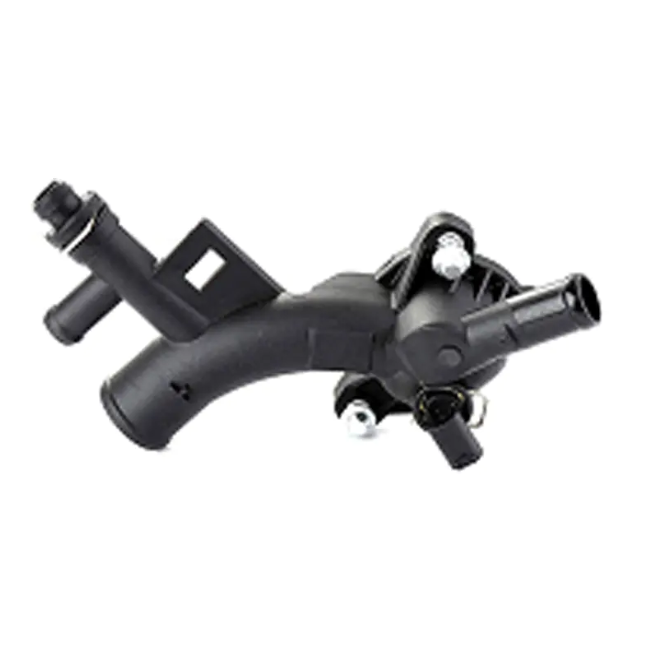
4. Coolant Leaks and Abnormal Noise
If you find pink or green liquid on the ground after parking your vehicle, it may be due to an aging thermostat seal or a cracked housing. Additionally, when a malfunctioning thermostat causes abnormal cooling system pressure, you may sometimes hear knocking or gurgling noises.
Causes and Prevention Recommendations for Car Thermostat Failures
Component Mechanical Fatigue
Over time, the temperature-sensing wax element or spring inside the car thermostat ages, causing the valve to fail to open or close accurately at the predetermined temperature. This is the most direct cause of water temperature fluctuations.
Cooling System Scale and Corrosion
If the owner does not change the coolant for a long time or illegally adds tap water, the resulting scale and impurities can clog the thermostat, causing it to operate sluggishly or become completely stuck.
Sensor Logic Errors
Modern vehicles' electronic control units (ECUs) monitor thermal management data in real time. If the car thermostat malfunctions, the engine malfunction indicator light will usually illuminate on the dashboard, alerting the owner to low system circulation efficiency.
Regular Preventative Replacement
It is recommended to replace the car thermostat when replacing the water pump or performing a major cooling system flush, in accordance with the vehicle's maintenance manual. This preventative maintenance effectively avoids the risk of engine overheating due to the failure of small parts.
Regular Preventative Replacement
Most car manufacturers recommend replacing the thermostat when replacing the water pump or performing major cooling system maintenance, as its maintenance cost is far lower than that of an engine overhaul.
Although small, the thermostat is central to ensuring the balance of the thermal management system. If you notice abnormal coolant temperature, increased fuel consumption, or poor heater performance in your vehicle, be sure to check the cooling system promptly to prevent small problems from escalating into major issues.